
In short
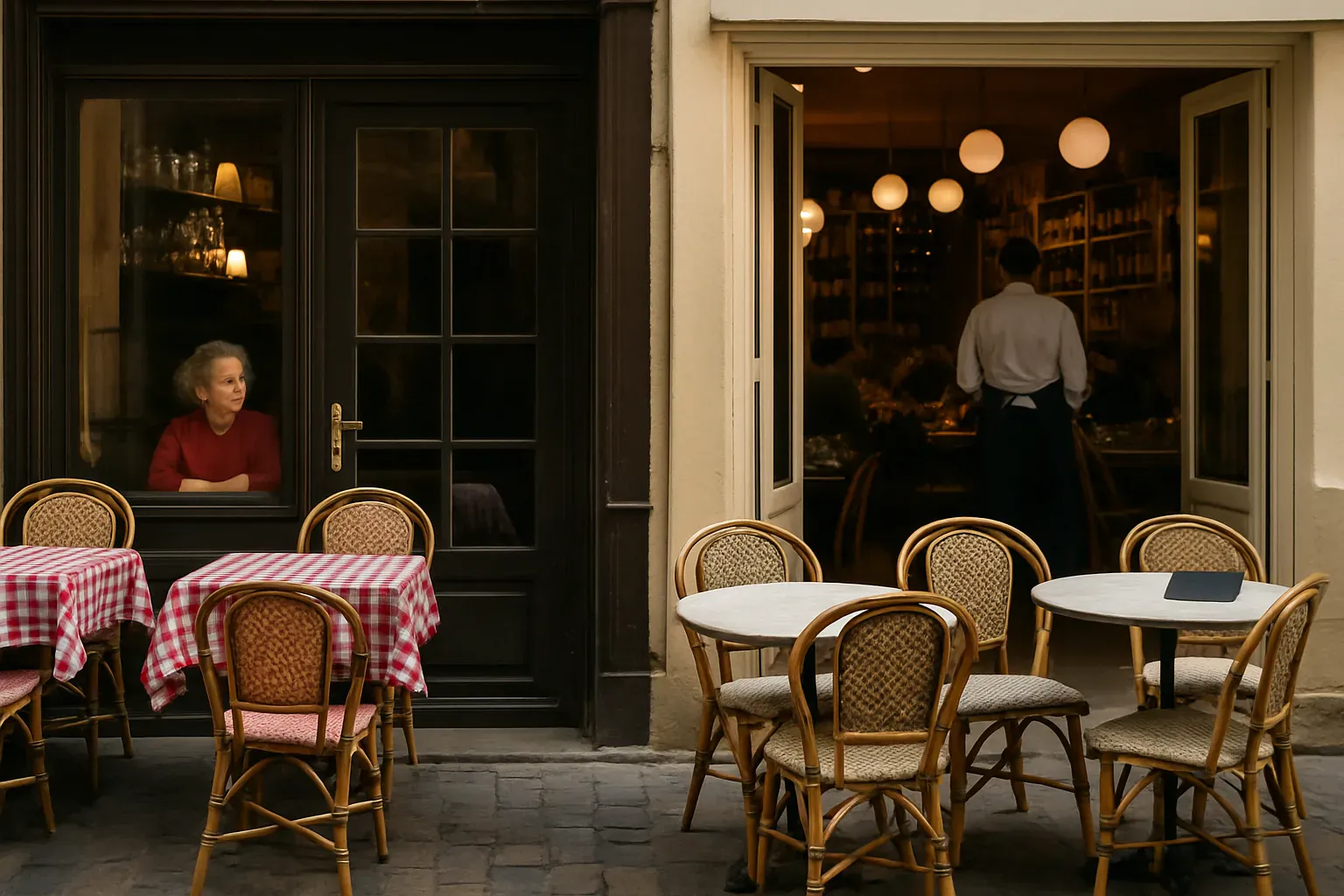
The difference between a bouchon and a brasserie comes down to origin, menu and spirit. The bouchon is a small traditional Lyon table, heir to the weavers' mâchons: a short menu, local terroir specialities, embraced offal and charcuterie, a tight and convivial room. The brasserie, born of Alsatian beer culture, is a large establishment with continuous service and a long, generalist menu (seafood, choucroute, classic dishes). In short: the bouchon claims a distinctive, Lyonnaise cuisine; the brasserie aims to please everyone, at any hour.
The bouchon: a small Lyonnaise table
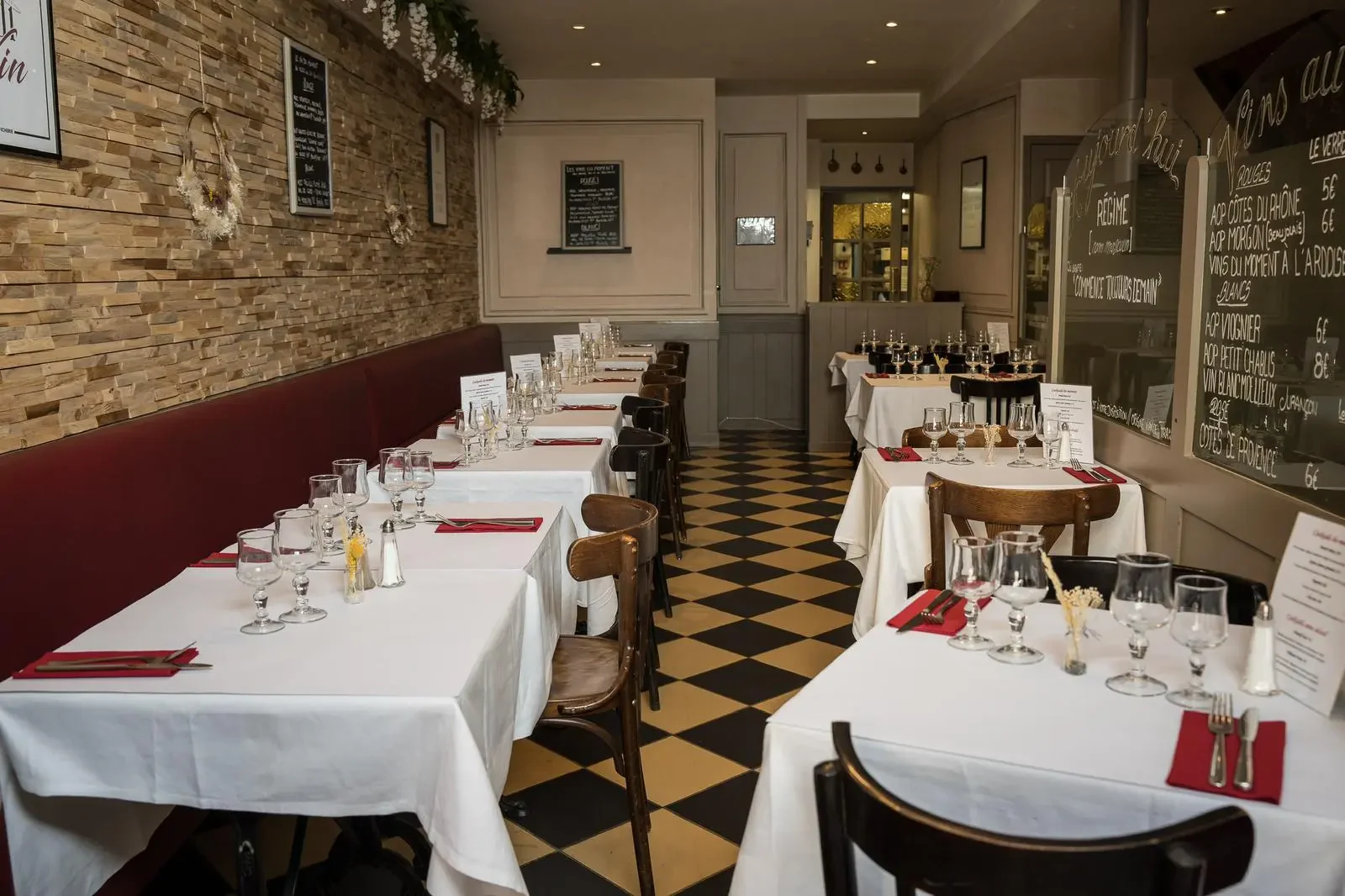
A Lyonnaise bouchon is not merely a restaurant serving local food: it is an institution, a Lyon way of hosting. The name covers a small neighbourhood table with a tight room, where you eat elbow to elbow a generous, home-made terroir cuisine served without ceremony. The menu is short, often seasonal, and the owner gladly knows the regulars by name.
What defines a bouchon is not a décor or a sign, but a state of mind. You come for generous portions, honest produce and a convivial room, not for a sophisticated staging. Historically the bouchon fed silk workers and market labourers, and it has kept from those roots a direct, almost family-like bond with its guests.
It is a deliberately modest format: few covers, a small team, a kitchen that embraces offal, charcuterie and slow-cooked dishes. The bouchon embodies everyday Lyon cooking — that of the 'mères' — rather than the haute cuisine of great chefs.
The brasserie: the large table of continuous service
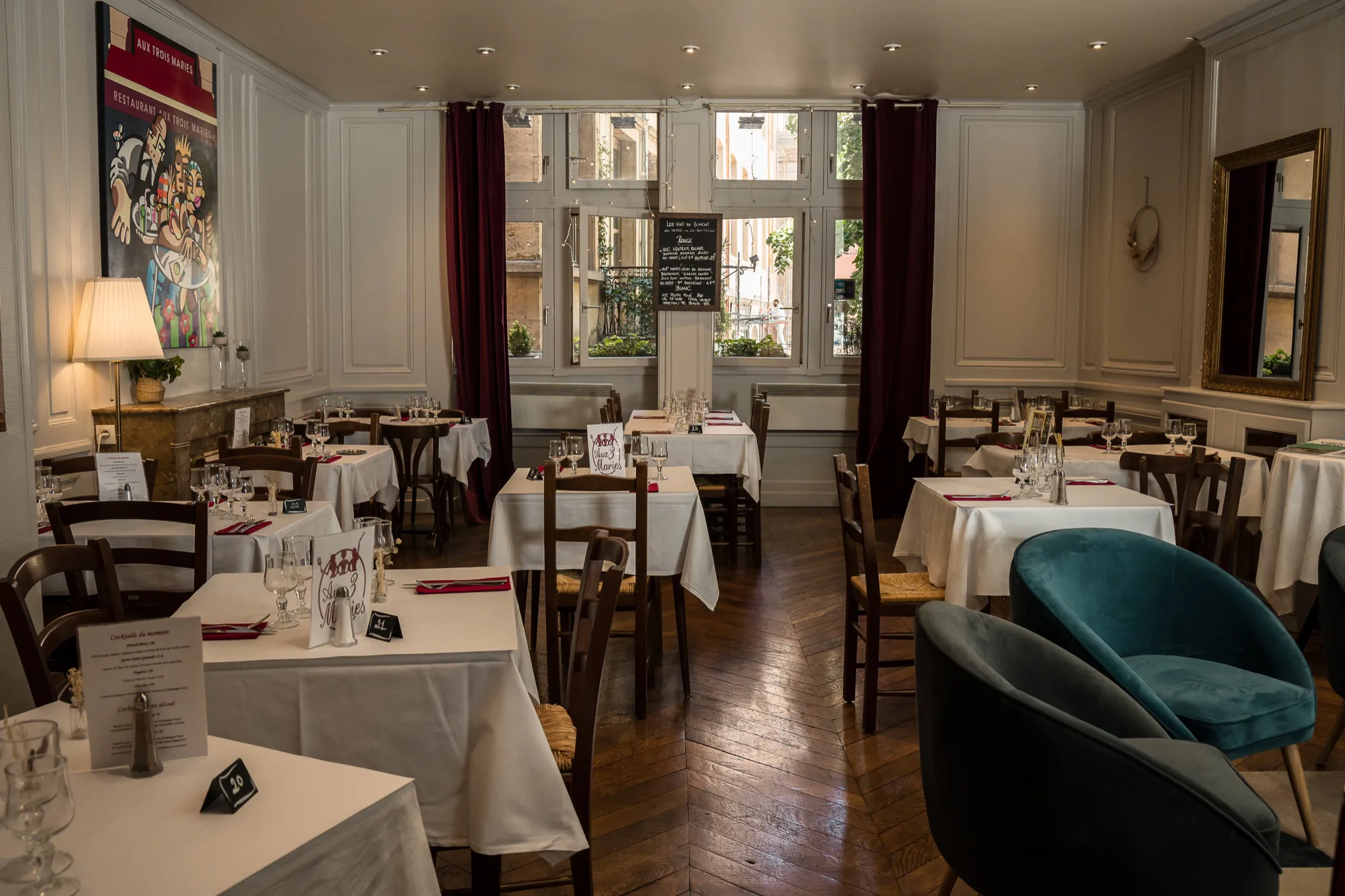
The brasserie follows an entirely different logic. The word literally means the place where beer was brewed: in the 19th century, Alsatians settled in the big cities opened venues serving their beer first, then simple food to go with it. The brasserie is born of a drinks house turned restaurant, not of a regional cooking tradition.
From that origin it keeps three traits that set it apart from the bouchon: a large number of covers, continuous service — you eat at any hour, late at night as in mid-afternoon — and a long, generalist menu, often the same from one town to the next. Seafood platters, choucroute, tartares, bistro classics: the brasserie aims to satisfy everyone, at any time.
This is not a flaw, it is a different model. The brasserie bets on long opening hours, consistency and the comfort of a vast room you can walk into without booking. Where the bouchon claims a strong, sometimes polarising local identity, the brasserie offers a broad, reassuring menu made for the flow.
Two origins, two worlds
To understand the difference, go back to the roots. The bouchon emerged in the 19th century with the silk industry. Lyon then counted tens of thousands of canuts, the weavers of the Croix-Rousse slopes. Between two spells at the loom they took a hearty snack called a 'mâchon': charcuterie, tablier de sapeur, a glass of beaujolais, eaten early to keep the pace.
It was often the 'mères lyonnaises' — former cooks of bourgeois households turned restaurateurs — who set the repertoire and raised this popular cooking to an art of living. The bouchon is the direct heir of that double lineage, and remains a cuisine of memory rooted in a territory.
The brasserie, by contrast, is a child of beer and the city. After the 1870 war, the Alsatian exodus to Paris multiplied venues serving beer and choucroute. The model spread across France, standardised and duplicated, designed for passing trade and numbers. Where the bouchon speaks of a quarter and a family history, the brasserie speaks of an era and a fast, cosmopolitan urban way of hosting.
On the plate
Menu and cooking: the real divide
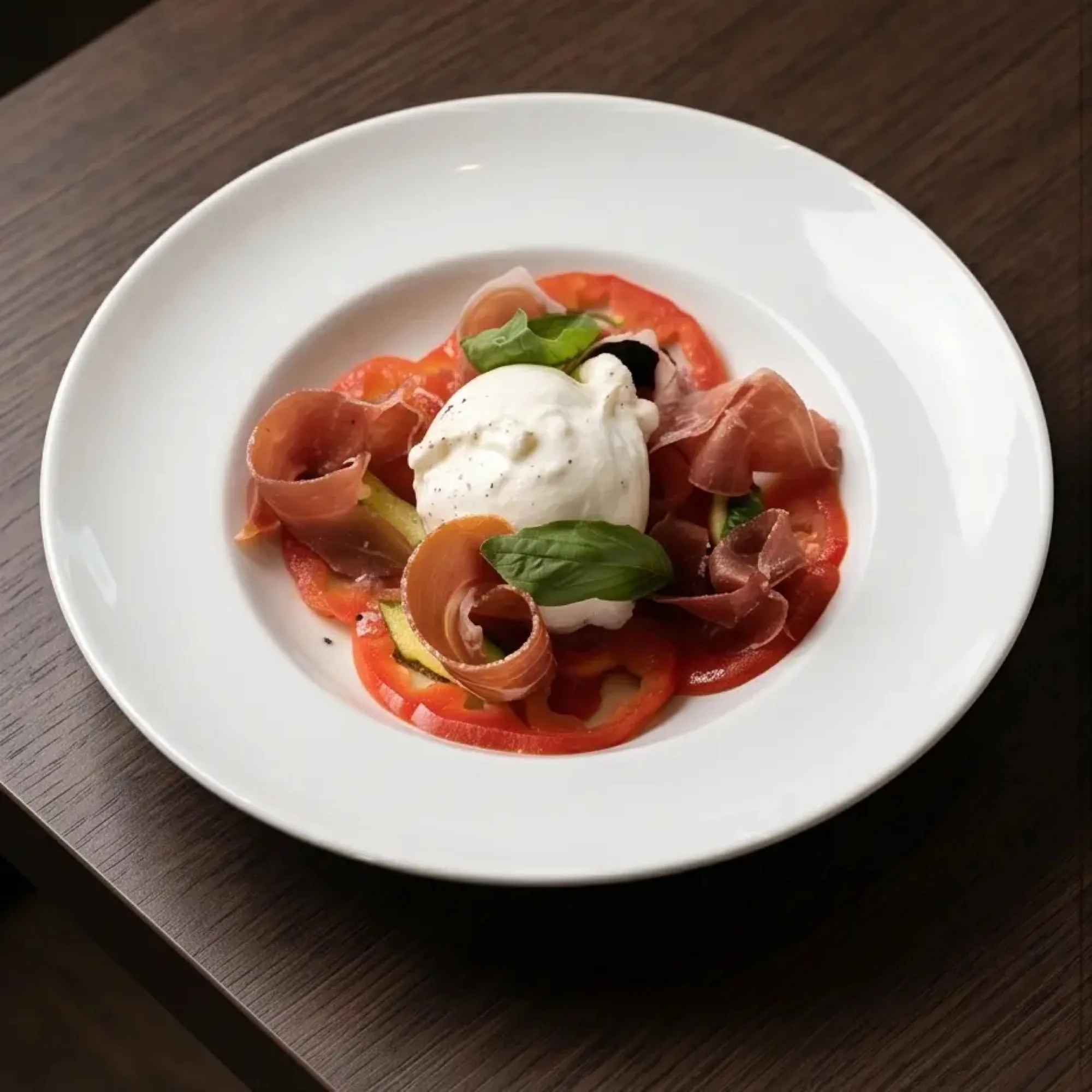
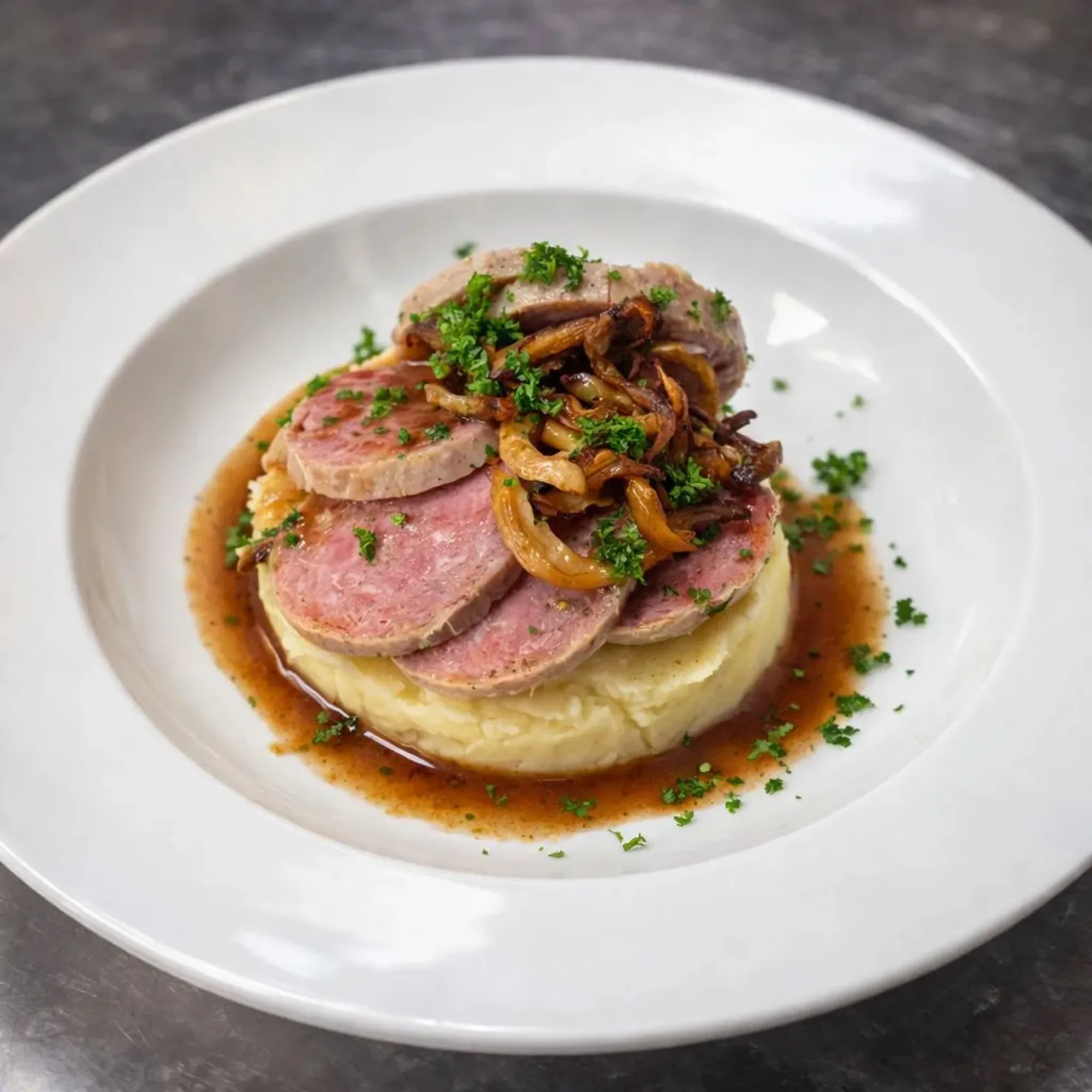
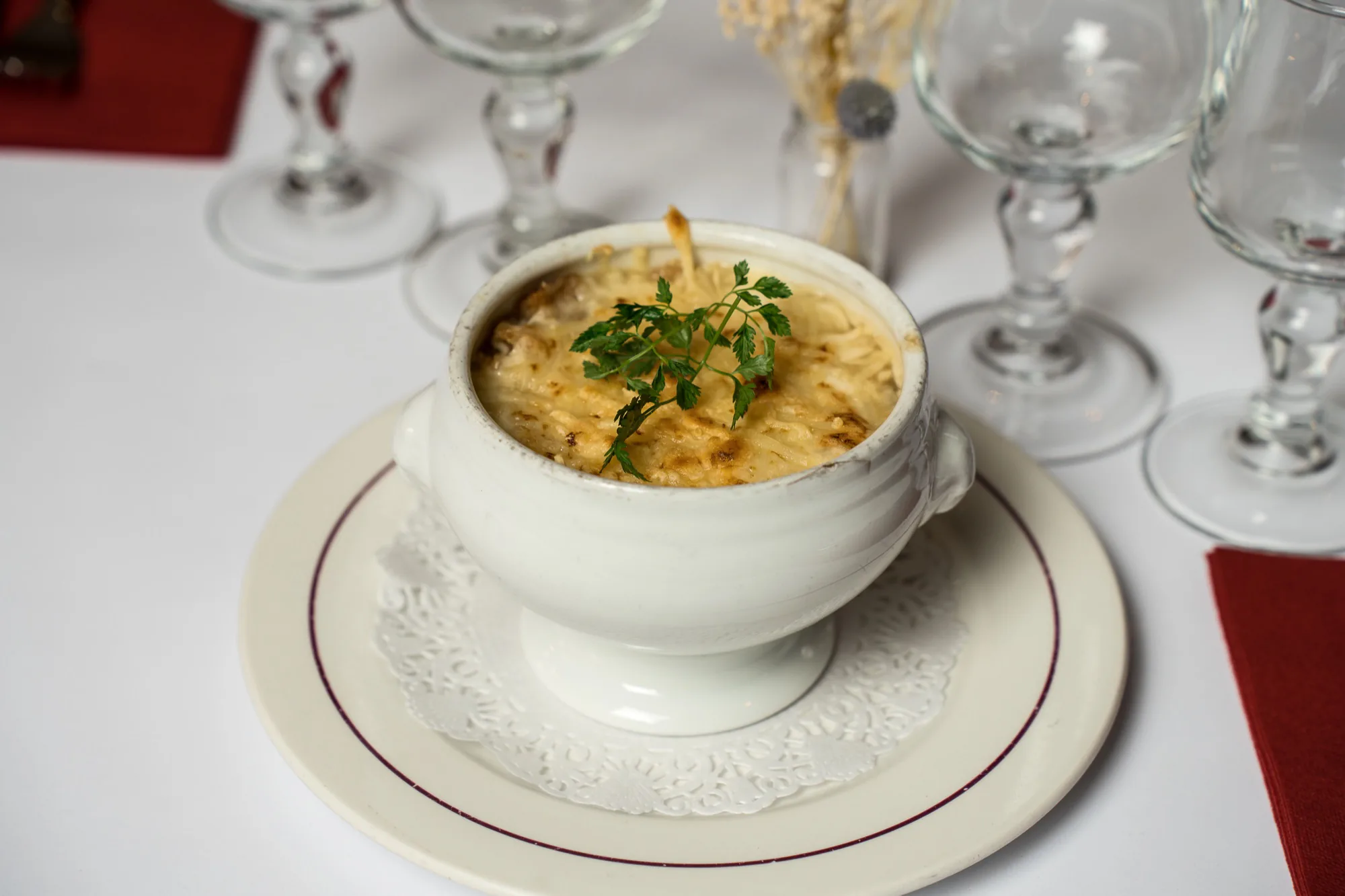
It is on the plate that the difference is obvious. The bouchon defends a short, regional, unapologetic repertoire; the brasserie unfolds a long, generalist menu. Here are the specialities that signal a real bouchon — and that you won't find, or not cooked this way, in a classic brasserie.
Bouchon or brasserie: side by side
For a clear picture at a glance, here is what concretely sets the two tables apart, point by point.
The bouchon
- Origin: the workers' mâchon table and the mères lyonnaises.
- Short, seasonal menu focused on Lyonnaise specialities.
- Distinctive cooking: offal, charcuterie, slow-cooked, home-made.
- Small room, close tables, a family-like convivial atmosphere.
- Meal-time service, often by reservation.
The brasserie
- Origin: the Alsatian beer house turned restaurant.
- Long, generalist menu, often standardised.
- Seafood, choucroute, tartares, bistro classics.
- Large room, fast service, easy to walk in without booking.
- Continuous service: you eat at almost any hour.
Atmosphere and the art of hosting
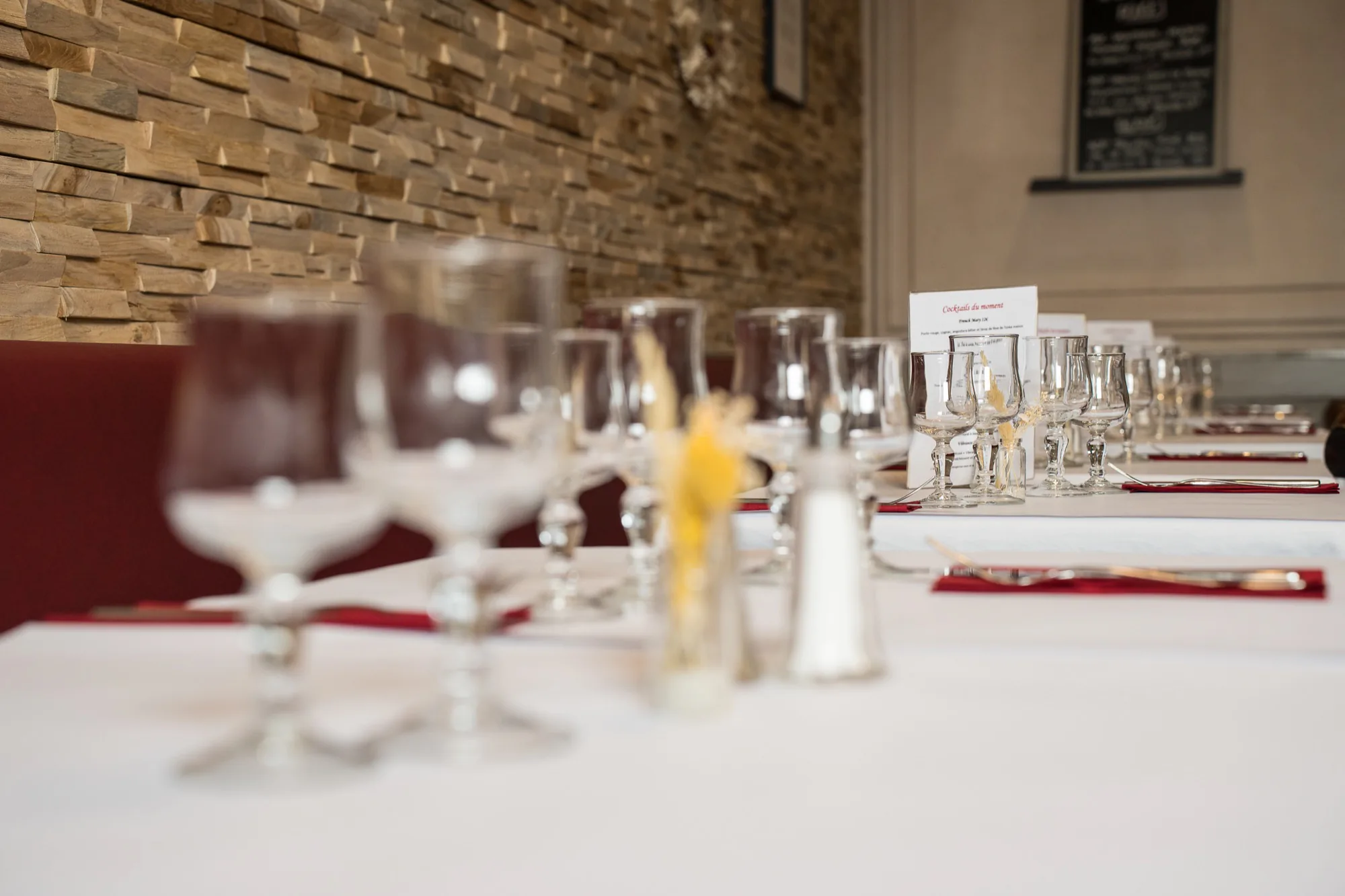
A bouchon is felt before it is tasted. The room is small, the tables close, the hum of conversation fills the space. You speak loudly, gladly share a dish, toast the neighbouring table. This unashamed conviviality is no reconstructed folklore: it is the direct extension of the workers' table.
The brasserie cultivates a different mood: the great animated café, banquettes in a row, aproned waiters crossing a vast room at speed. You go for the buzz and the comfortable anonymity of a place of passage. The bouchon bets on intimacy and contact — an owner who tells you about their producers is worth every décor.
And where does the bistro fit in?
A third word often blurs the picture: the bistro. It is a small neighbourhood café-restaurant, more general and without a strong regional anchoring. It shares the bouchon's modest size and sense of proximity, but not the repertoire: a bistro may serve market cooking or a dish of the day without being Lyonnaise at heart. The bouchon is a bistro that became deeply Lyonnaise, with its identified specialities and working-class lineage.
The right instinct
How to spot a real bouchon
In a tourist quarter like Vieux-Lyon, not every place with 'bouchon' on the sign really is one — some are, in fact, tourist brasseries in disguise. A few markers help decide before you even sit down. Trust the menu first: a short, handwritten or slate menu that follows the seasons is a good sign. A sprawling menu translated into eight languages and illustrated with photos betrays a flow-driven kitchen.
Beware the tout who hails you on the pavement: real houses have no need for one. Look instead for a room where French is spoken, producers named on the menu, charcuterie from a recognised affineur and a quenelle that truly puffs in the oven.
The 'Les Bouchons Lyonnais' label, created in 2012, is a useful clue: it distinguishes houses meeting a charter of home cooking and traditional specialities. But it is not exhaustive — many excellent old tables do not carry it. The best judge remains what you find on the plate and the welcome you receive.
Aux Trois Maries, a historic bouchon in Vieux-Lyon
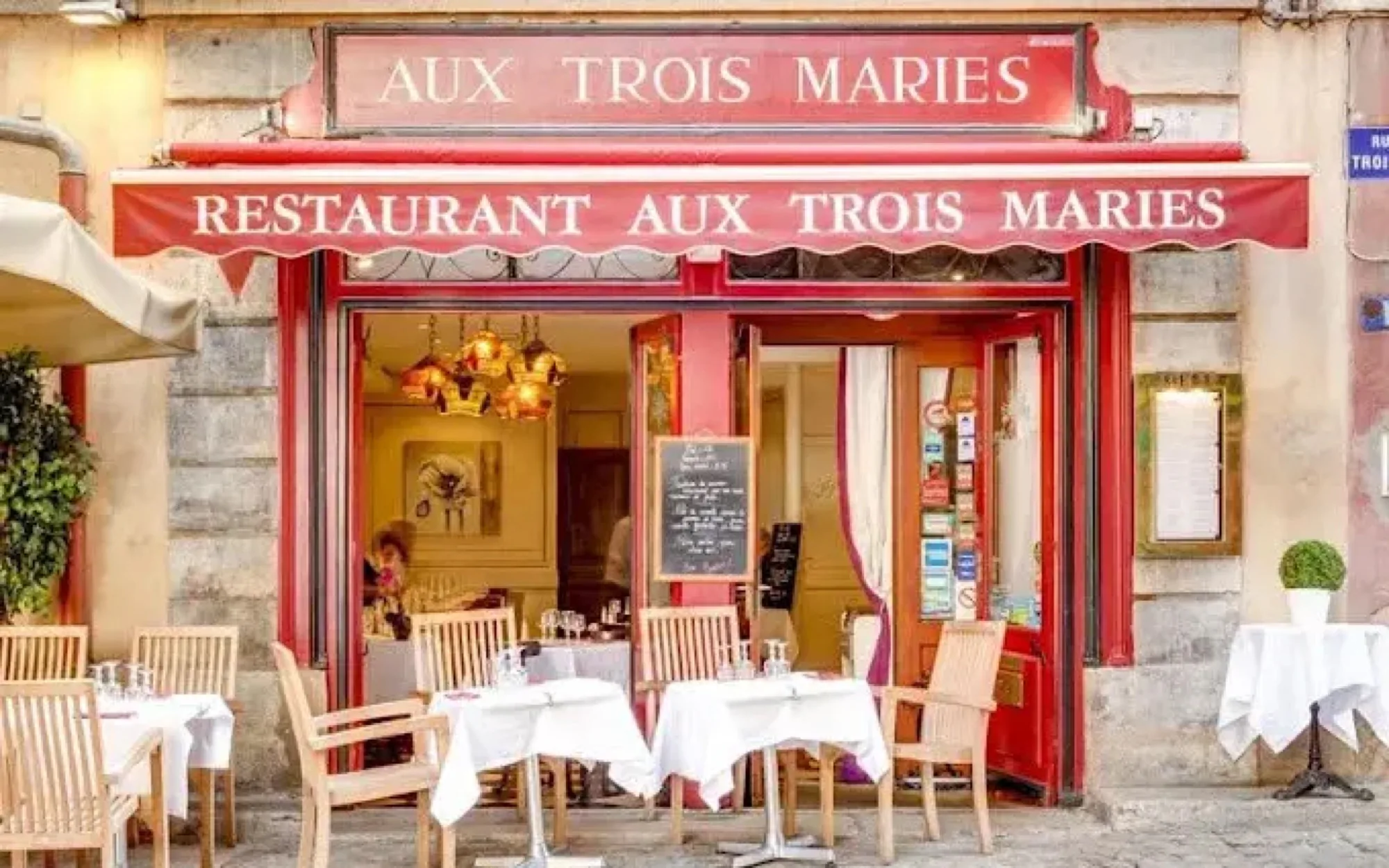
Aux Trois Maries is one of the oldest bouchons in Lyon — not a brasserie. The house once occupied the 'café des primeurs', facing the Saône quay market, before being taken over after the war by the famous Tante Paulette, then by the Bolomier, Monnet and Fournier families. It has crossed the decades on rue des Trois-Maries, in the UNESCO-listed Vieux-Lyon.
The street owes its name, given in the 17th century, to the three Marys of the Gospel — Marie-Salomé, Marie-Jacobée and Marie-Madeleine — echoed by the three silhouettes of our logo. Here we keep alive a home-made local cuisine, in a more contemporary yet convivial Lyon bistro spirit, with vegetarian and gluten-free options for everyone.
Bouchon or brasserie: which to choose?
It depends on what you are after. To discover real Lyonnaise cooking, taste specialities found nowhere else and enjoy the intimate atmosphere of a small table, push the door of a bouchon — ideally an address rooted in the quarter rather than a flashy front. Book, especially at weekends and lunch: real houses have few covers and fill up fast.
If instead you want to eat at an unusual hour, arrive without booking, or enjoy a seafood platter or choucroute in a large animated room, the brasserie will suit you better. Both formats have their place and charm: they don't compete, they tell two different stories of the French table. Knowing how to tell them apart already means enjoying each one more.
Frequently asked
Bouchon and brasserie: your questions
What is the main difference between a bouchon and a brasserie?
The bouchon is a small traditional Lyon table with a short menu focused on local specialities and a convivial spirit inherited from the workers' mâchon. The brasserie is a large establishment with continuous service and a long, generalist menu, born of Alsatian beer culture. In short: distinctive regional cuisine on one side, a broad reassuring offer on the other.
Where does the word « brasserie » come from?
It originally means the place where beer is brewed. In the 19th century, after 1870, Alsatians in the big cities opened venues serving their beer first, then simple food to accompany it. The brasserie is a drinks house turned restaurant, with no regional cooking anchoring.
Is a bouchon more expensive than a brasserie?
Not necessarily. The bouchon claims home cooking at a reasonable bill, in the spirit of the workers' table. The budget mostly depends on the address and the produce: in both cases, genuinely home-made cooking has a cost that an abnormally cheap menu rarely reflects.
Can you find choucroute in a bouchon?
In principle no: choucroute is a brasserie speciality, of Alsatian origin. A bouchon defends the Lyon repertoire — quenelle, brioche sausage, andouillette, tablier de sapeur, gratinée. A menu mixing choucroute, seafood and Lyonnaise specialities is more of a brasserie or a generalist address.
Is a bistro the same as a bouchon?
No. The bistro is a small general neighbourhood café-restaurant with no strong regional anchoring. The bouchon shares its modest size and proximity but defends an identified Lyon repertoire and a working-class lineage. Every bouchon is a kind of Lyon bistro; not every bistro is a bouchon.
How do I know if an address is a real bouchon?
Trust a short menu that follows the seasons, producers named on it, a room where French is spoken and home-made cooking. Beware touts, menus in eight languages and large window photos of dishes, which often betray a flow-driven kitchen.
Explore the house
Also worth reading and visiting
Going further
Want to dig deeper into the Lyon table? Find all our articles on the blog cuisine lyonnaise.
Come and live the real Lyonnaise bouchon
Book your table on rue des Trois-Maries, or call us directly.