
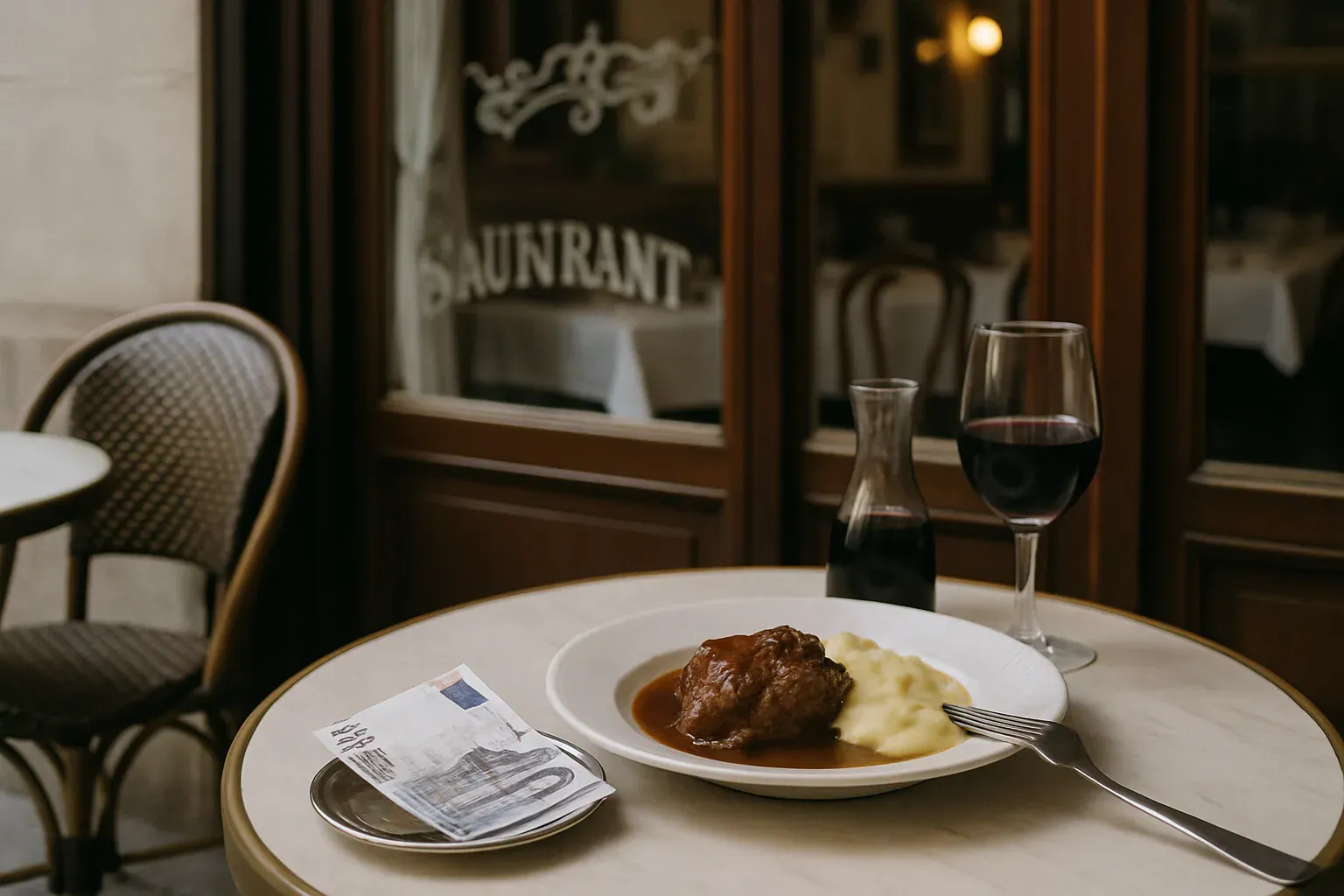
The Journal · Eating well in Lyon
The cost of a meal in a Lyonnaise bouchon: what to expect before you sit down
Set menu or à la carte, lunch or dinner, drinks, produce, Vieux-Lyon traps: what truly makes a bouchon's bill — and how to aim for the fair price, not the cheapest.
In short
The cost of a meal in a Lyonnaise bouchon isn't a single number: it depends on the set menu you pick, the number of courses, the drinks, the time of day and, above all, how serious the house is. A weekday lunch menu is the best value to discover a place; a full dinner with cheese and dessert costs more but extends the pleasure. What you really pay for is home-made cooking, identified terroir produce and long-prepared craft — things an abnormally cheap menu can never offer. In Vieux-Lyon, aim for the fair price of a house that works its produce rather than the lowest bill of a tourist trap.
Contents
What this guide covers
What does the cost of a bouchon meal depend on?
One question always comes up before you step into a bouchon: what does a meal really cost? There is no single figure, because the bill depends on several dials — the set menu you pick, the number of courses, the drinks, the time of day and, above all, how serious the house is. Understanding those dials already tells you where your money goes.
A bouchon meal is built in three parts: a starter, a main, then cheese or dessert. You can lighten it at lunch with a starter and a main, or extend it at dinner. The price follows: the fuller the meal, the higher it climbs — yet the cost per course tends to fall as soon as you choose a set menu designed to hold together.
You must also tell the listed price from the felt price. In a good bouchon, portions are generous, charcuterie sometimes arrives as a welcome, bread and water aren't counted: you leave full. That generosity, inherited from the workers' table, changes the value entirely compared with a place that charges for every detail. Look at what you receive, not only at what you pay.
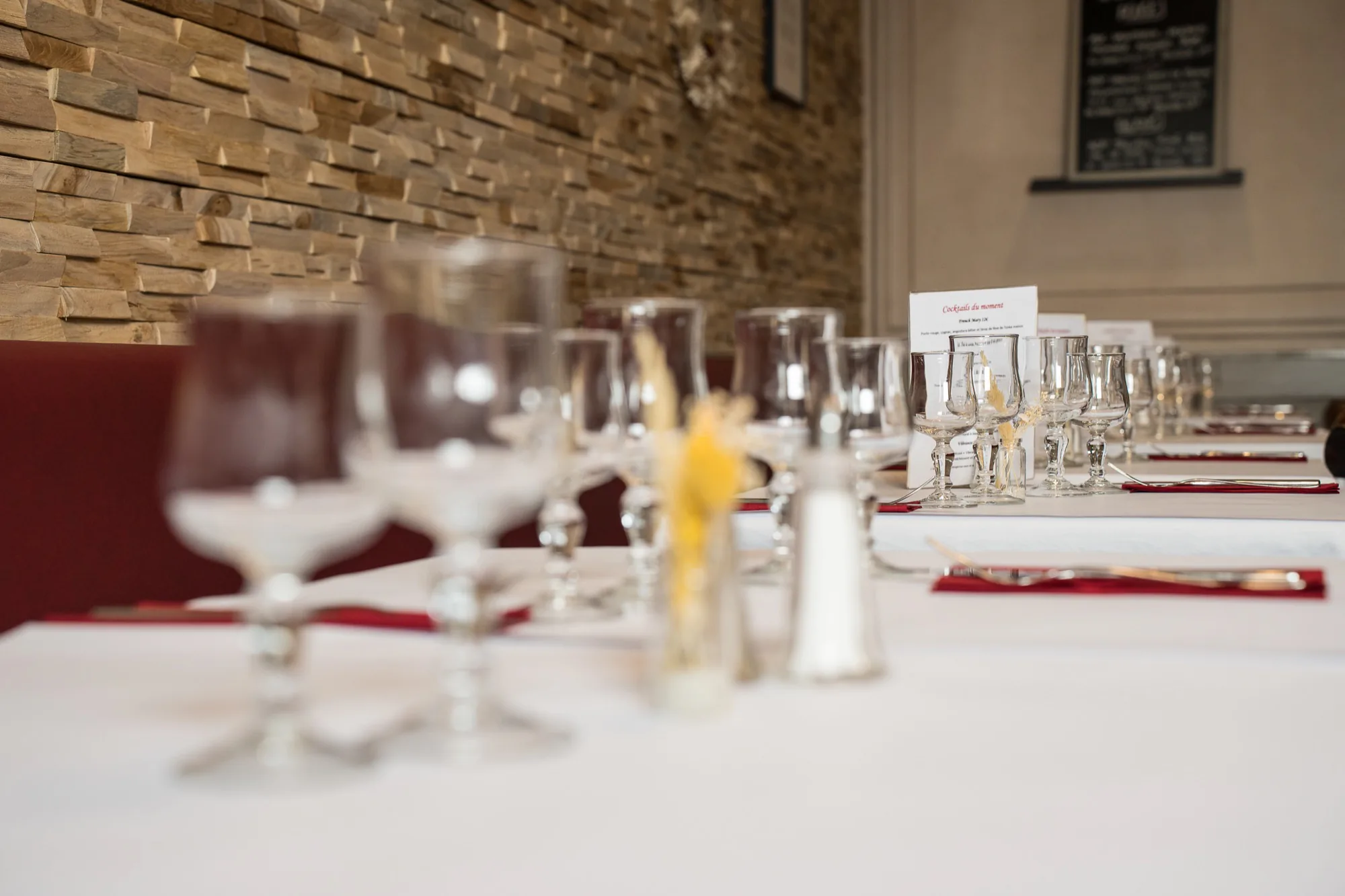
Set menu or à la carte: two ways to spend
The first decision that weighs on the bill is choosing between a set menu and à la carte. The set menu bundles several courses at a price fixed in advance — almost always the most sensible option, since the house has calibrated the whole for a coherent meal with no end-of-meal surprise. Building your own à la carte gives full freedom, but the bill climbs fast.
Most bouchons offer three families of set menus. The lightest lunch formula pairs a starter and a main: the best value to discover a house on a weekday. The Lyonnaise menu adds cheese or dessert for a complete meal. The most generous menu, often named after the house, rolls out the full show for the days you take your time.
Many bouchons also offer a children's menu, letting families sit down without blowing the budget. To control your spend, pick the menu that matches your real hunger rather than picking à la carte: you often eat better, for a softer total, by trusting the house's assembly.
What you find on the plate
Paying for a bouchon meal means paying first for home-made cooking, long to prepare and rooted in the terroir. Here are the three parts of a typical meal — and what, in each, earns its place on the bill.
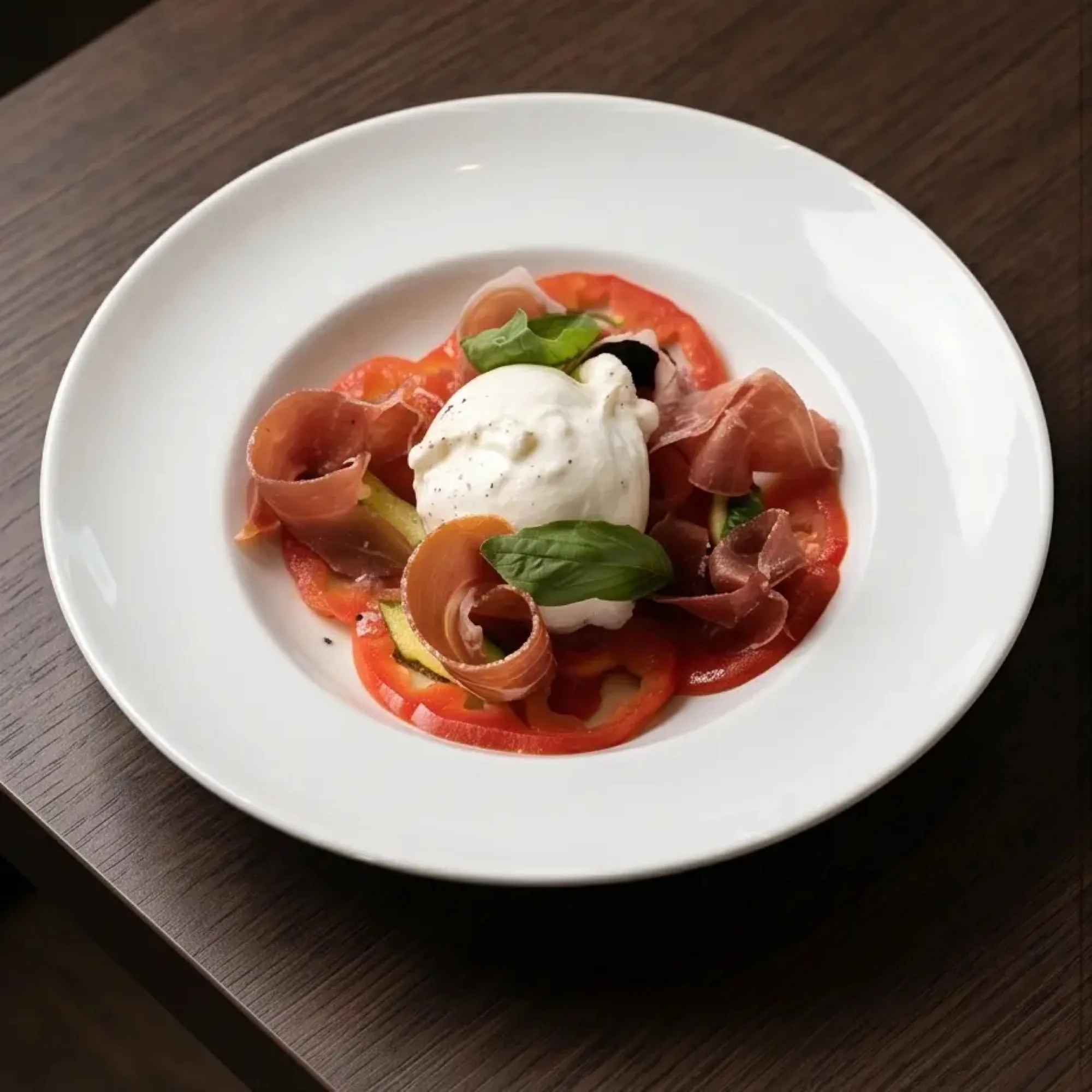
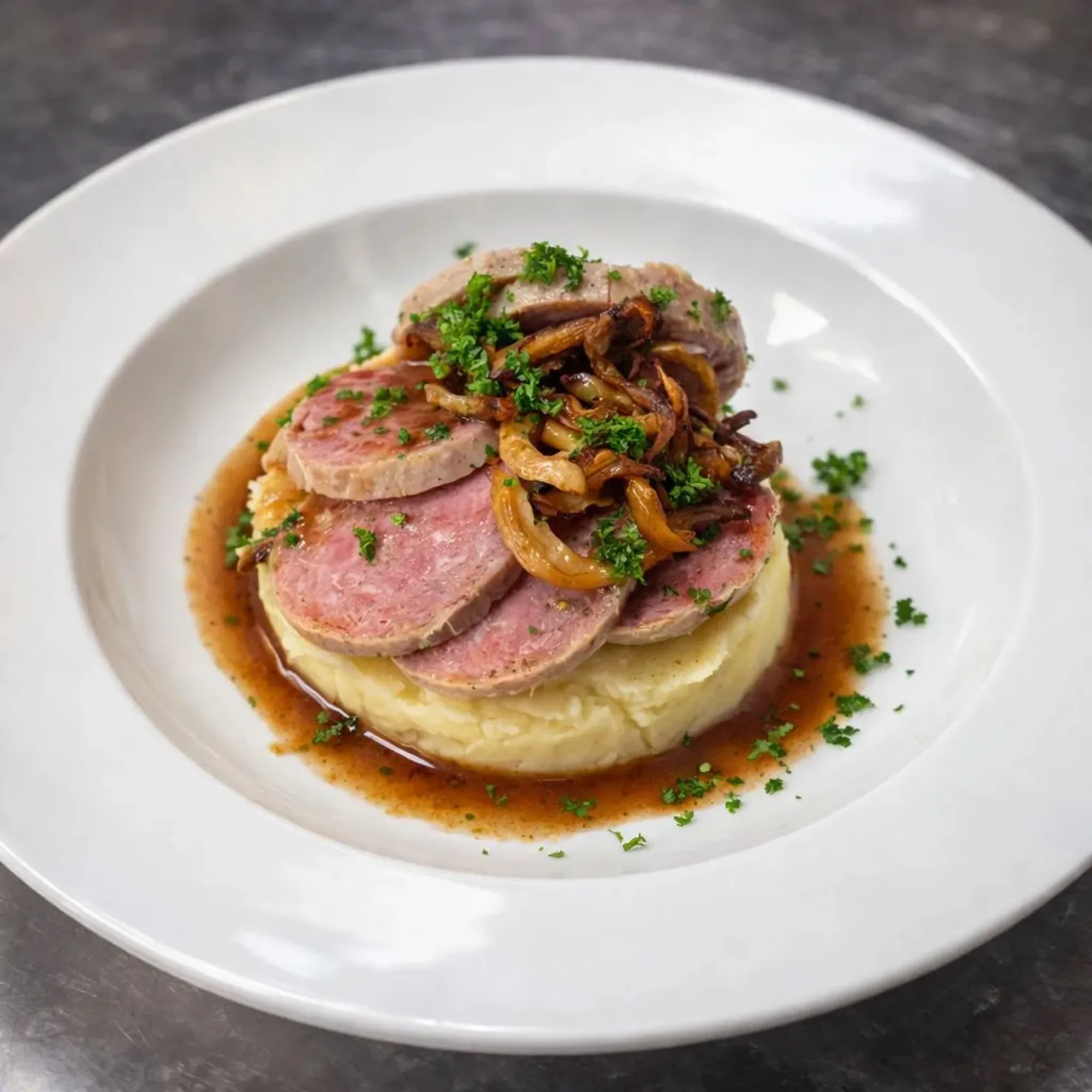
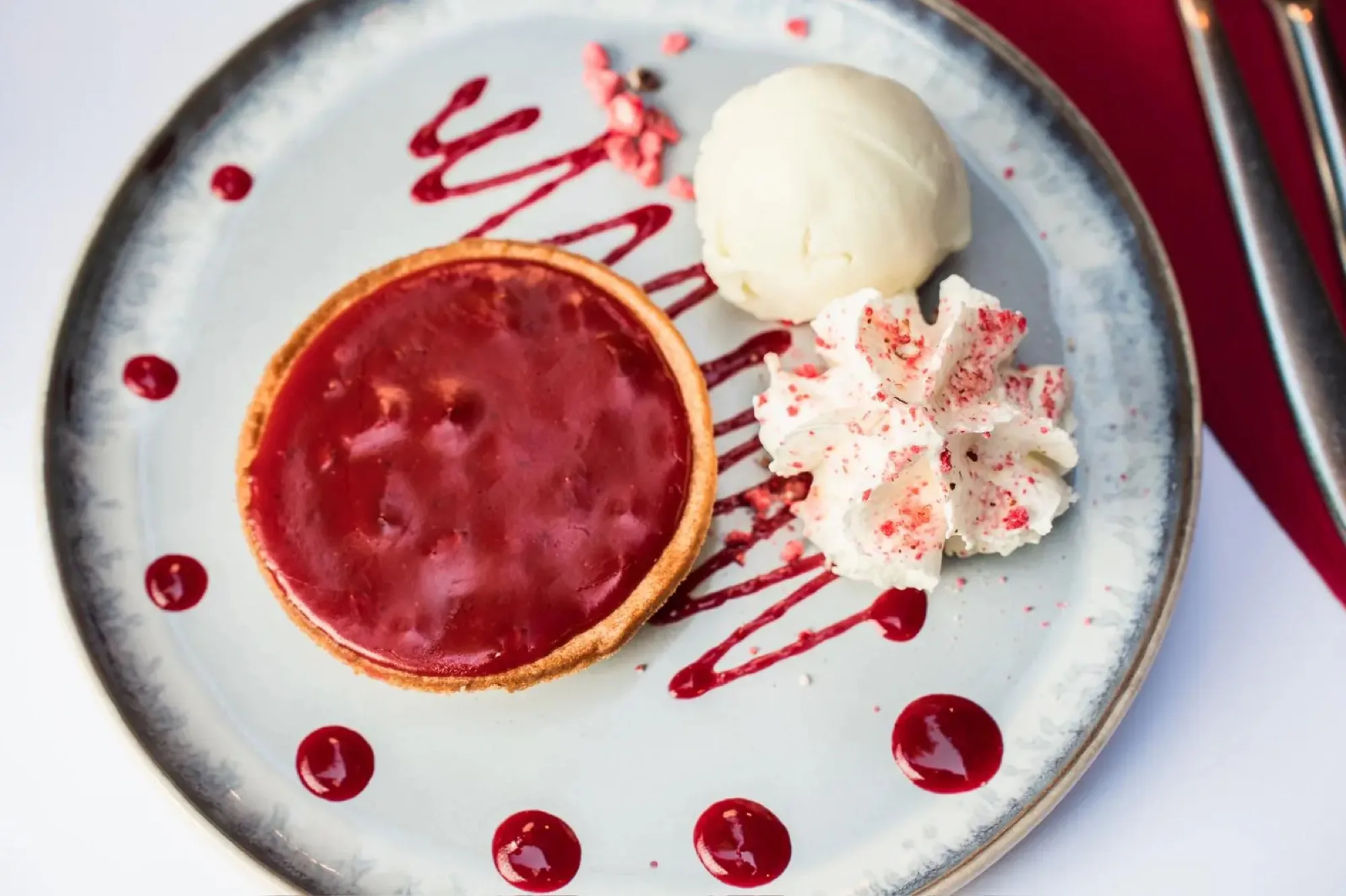
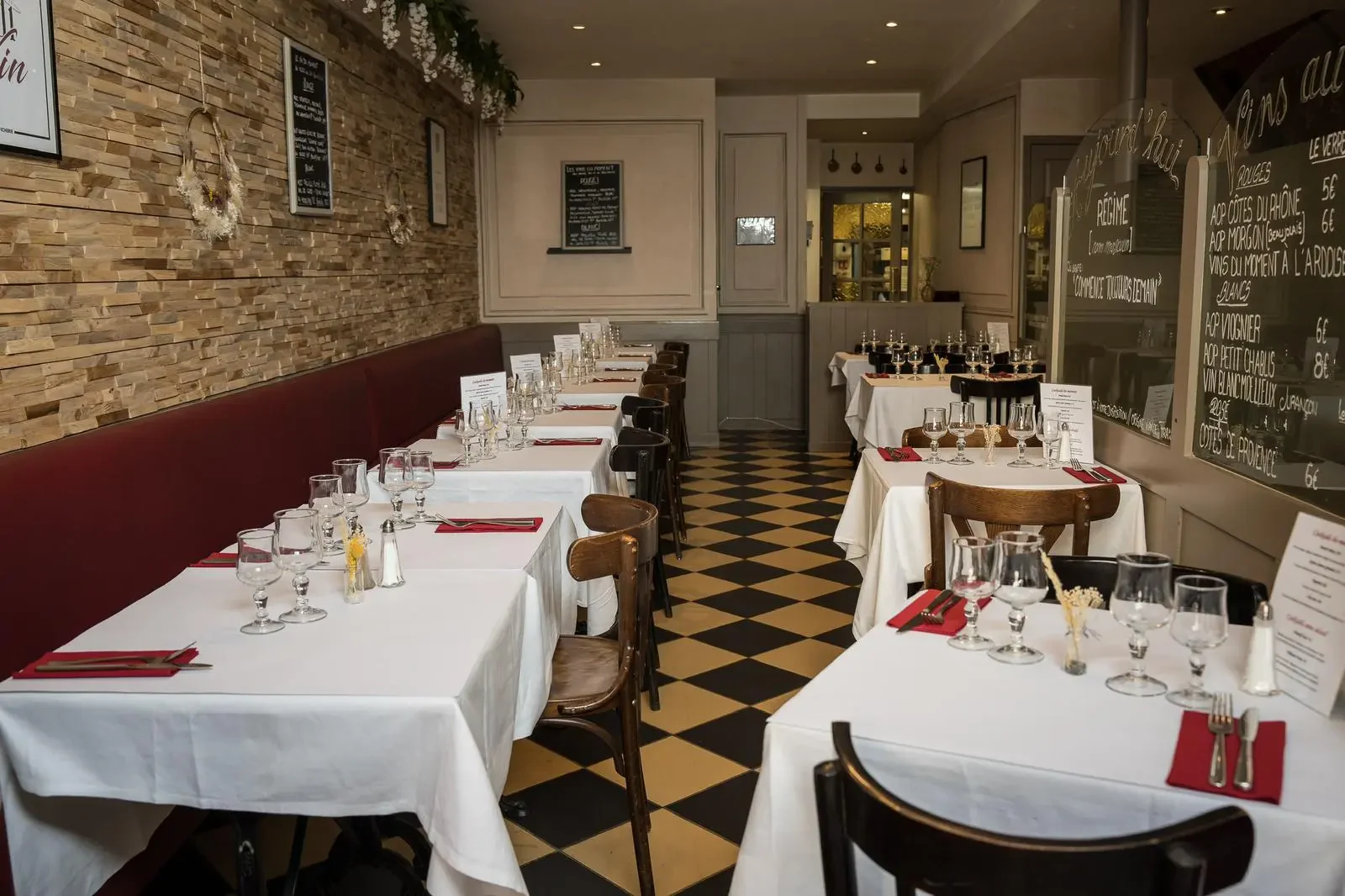
Home-made, produce, craft: what justifies the price
A bouchon meal costs what it costs for a simple reason: nearly everything is home-made. The quenelle is shaped on site, the sauce mounted with butter, the praline worked for the tart, the charcuterie chosen from identified affineurs. This hands-on cooking needs time, labour and first-rate produce — three costs an abnormally cheap menu can't cover without cheating.
The price also reflects sourcing. A serious bouchon names its suppliers: the Saint-Marcellin from la Mère Richard, farm poultry, the fish for the quenelle, seasonal vegetables. These cost more than industrial equivalents, but make all the difference. Paying a little more in a house that works this way is often cheaper per kilo of pleasure than a place reheating vacuum-packed dishes.
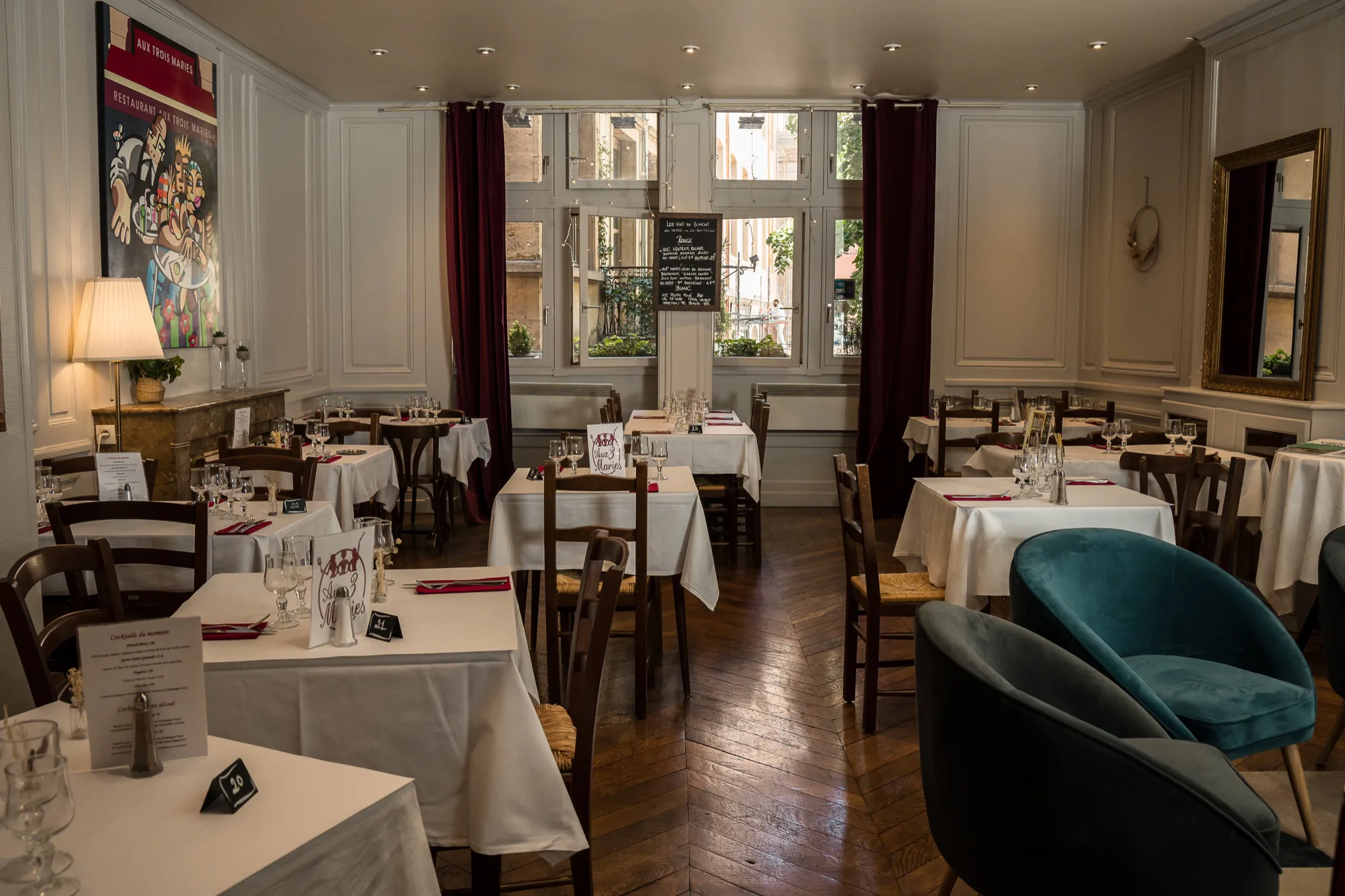
Lunch or dinner: the moment changes the bill
The time of day directly affects the budget. Weekday lunch is almost always the softest window: bouchons offer a short formula built for a quick, controlled break. It's the best door to discover a house without committing to a big meal, and ideal for curious visitors passing through Vieux-Lyon.
Dinner invites you to take your time. You more readily unfold a full menu, open a bottle, extend with cheese and dessert: the bill rises, and so does the experience. At weekends, the quarter's tourist traffic pushes demand up and the best tables fill fast — booking becomes essential.
Between the two, a golden rule: better a fine lunch in a real house than a rushed dinner in a tourist trap. If budget matters, aiming for the midday service lets you taste the same cooking, produce and craft for a lighter bill. It's the advice we give most often to hurried visitors.
The pot lyonnais and the cost of drinks
Drinks often weigh more on the final bill than you'd think. Lyon happily invented a clever format: the pot lyonnais, that thick 46 cl bottle with a reinforced base, for the house wine — a beaujolais, a côtes-du-rhône or a mâconnais. It's a convivial, reasonable way to accompany the meal without ordering a full bottle.
A few simple reflexes help: favour wine by the pot or the glass over a large bottle if you're few, remember tap water is free and can be asked for without embarrassment, and keep in mind a café gourmand can replace a separate dessert and hot drink. A good bouchon's wine is chosen from small regional growers: again, you pay for a selection, not a label.
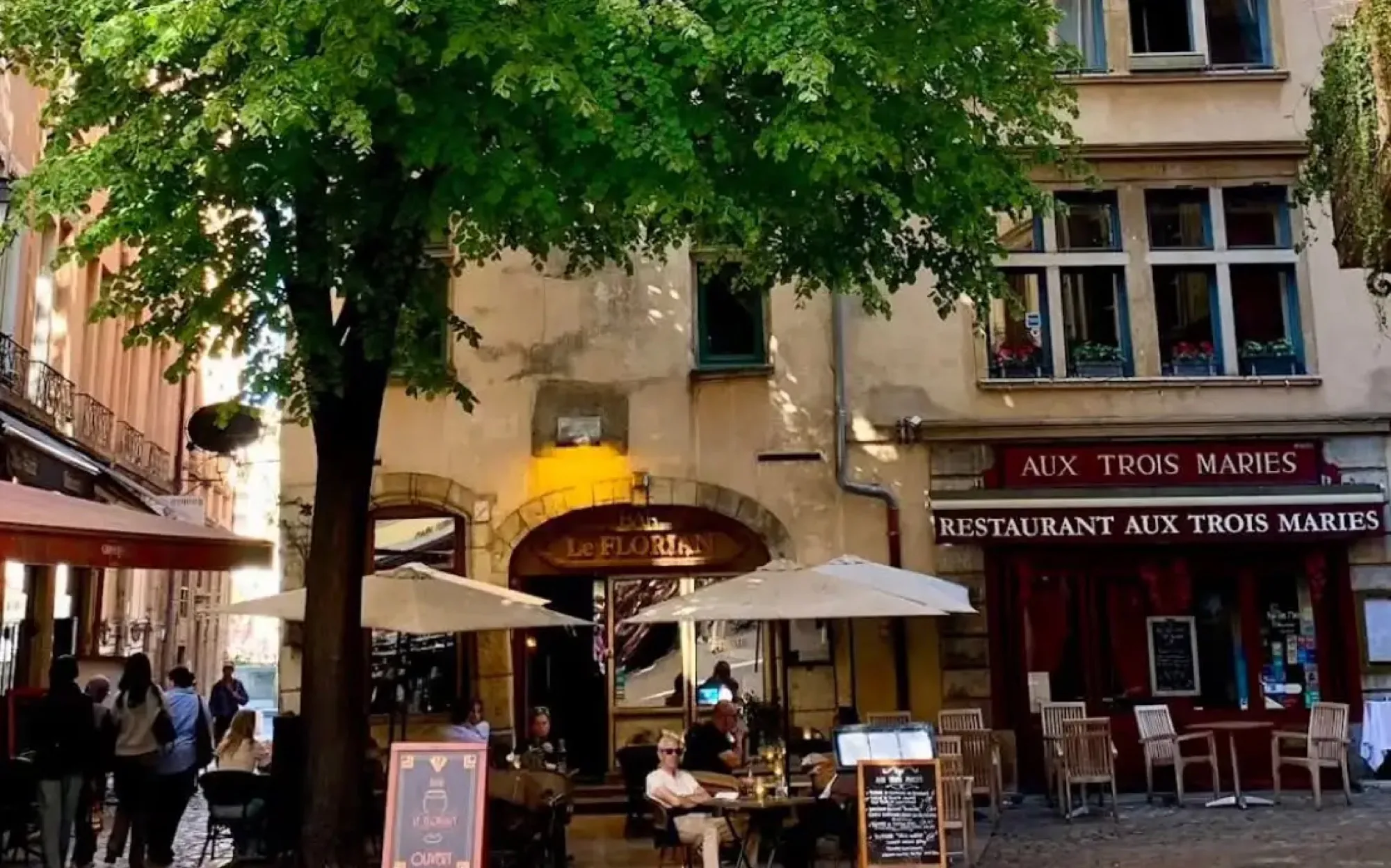
Avoiding Vieux-Lyon's tourist traps
Vieux-Lyon, the UNESCO-listed Renaissance quarter, packs a rare density of bouchons — and, inevitably, some places that trade mostly on décor and location. Paying the fair price starts with spotting these traps. A sprawling menu in eight languages illustrated with photos, run by a tout hailing you on the pavement: signs of a flow-driven kitchen where you pay for the spot, not the plate.
By contrast, a confident house shows a short menu, often handwritten or slate-chalked, following the seasons. French is spoken, producers are named, and no one forces your hand at the door. These addresses aren't always the cheapest, but they offer the best real value: what you pay ends up on the plate, not in the window.
The 'Les Bouchons Lyonnais' label, created in 2012, helps decide: it marks houses meeting a charter of home cooking and traditional specialities. It isn't exhaustive — many excellent old tables don't carry it — but it's a useful marker for hurried visitors, always crossed with what neighbouring tables order and the visible care of the service.
Eating well without breaking the bank: our tips
Eating in a real bouchon without straining your budget is possible, provided you pull the right levers. The first, as said, is choosing the weekday lunch service and its short formula. The second is trusting the set menus over à la carte: they're calibrated for a complete meal at a softer total than the sum of separate courses.
The third lever is sharing. Lyonnaise cooking lends itself beautifully to shared starters — a charcuterie board, a saladier lyonnais in the centre — and desserts for two. You taste more specialities for a contained spend, in the bouchon's convivial spirit. Finally, booking ahead avoids falling back, for lack of space, on a pricier or less sincere address.
The most important tip: don't look for the cheapest, look for the fairest. A very low bill in Vieux-Lyon almost always hides industrial cooking. A reasonable price in a house that works its produce is, in the end, the best deal — the one you remember long after the meal.
Groups, families and special occasions
A bouchon meal's budget is thought out differently by occasion. With family, the children's menu and set menus seat several generations without nasty surprises. Among friends, sharing starters and wine by the pot naturally lightens the bill. For a group meal or a celebration, plan ahead: many houses offer dedicated menus that simplify organisation and smooth the spend per guest.
Vieux-Lyon's bouchons also know how to host large tables and private events. A birthday, a company meal, a family gathering: a reserved room, a menu agreed in advance, and you know where you stand without discovering the bill at the last minute. For such occasions, the best is always to call the house directly, state your budget and headcount, and build a meal to match the moment together.
Aux Trois Maries: the true price of Lyonnaise pleasure
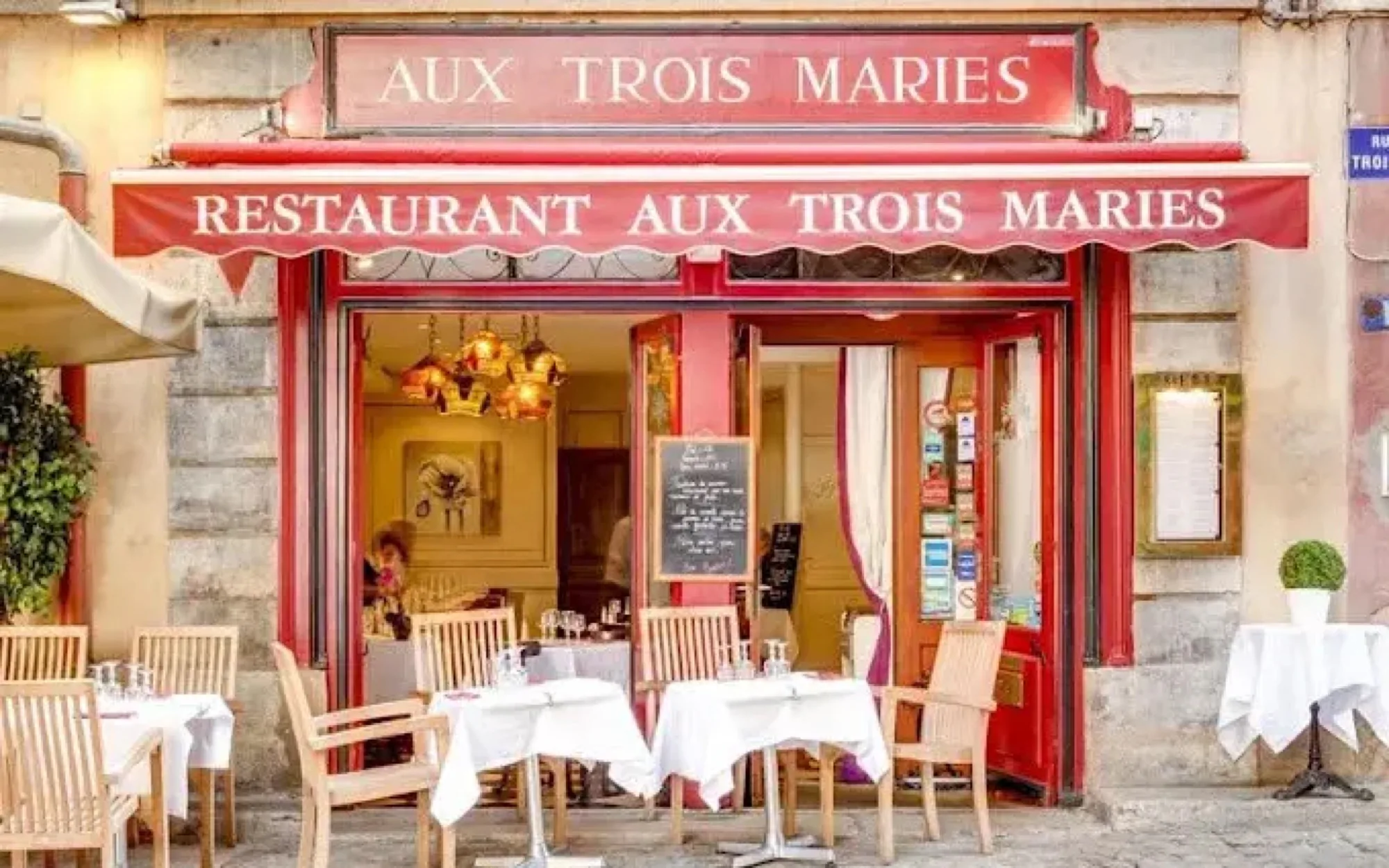
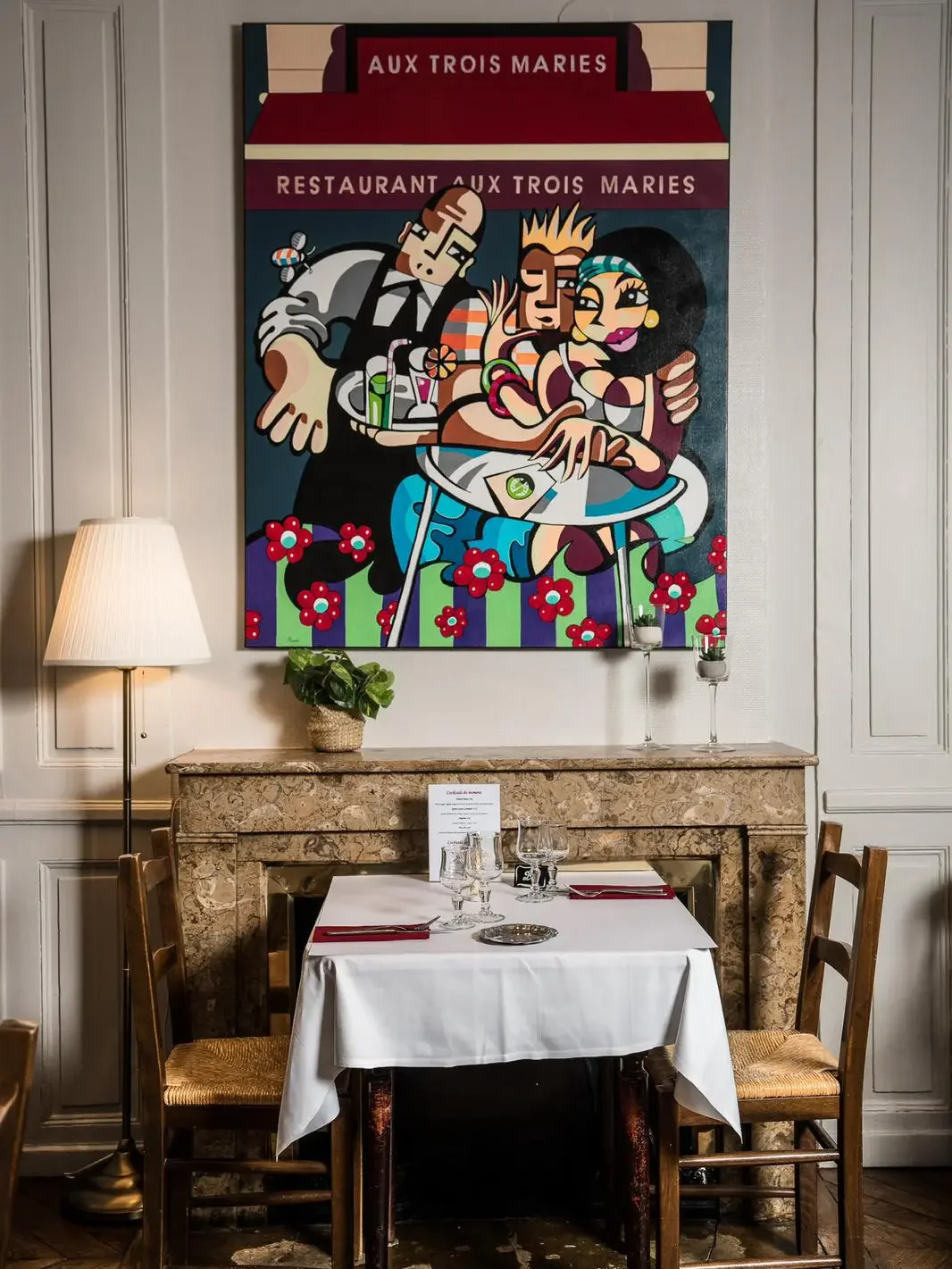
On rue des Trois-Maries, in the heart of Vieux-Lyon, our house has always defended a simple idea: a meal should be worth the work and the good produce it takes. One of Lyon's oldest bouchons, born where the old 'café des primeurs' stood and taken over after the war by the famous Tante Paulette, Aux Trois Maries keeps alive a home-made local cuisine in a convivial, more contemporary bistro spirit.
Here our set menus — from the weekday lunch to the Lyonnaise menu, by way of the children's menu — are made so everyone finds theirs, by hunger and by moment. We also open the table to vegetarian and gluten-free diets, and gladly welcome groups. The best way to know what a bouchon meal is worth, in the end, is to come and sit down: that's where the price makes full sense.
Frequently asked
The cost of a bouchon meal: your questions
What does the cost of a meal in a Lyonnaise bouchon depend on?
On several factors: the choice between a set menu and à la carte, the number of courses, the drinks, the moment (lunch or dinner) and how serious the house is — home cooking and terroir produce. A full meal costs more than a starter-and-main, but the cost per course falls with a set menu.
Is it better to take a set menu or eat à la carte?
The set menu is almost always better value: the house calibrated it for a coherent meal at a softer total than the sum of separate courses. À la carte gives more freedom, but the bill climbs fast as you add courses.
Is lunch cheaper than dinner?
Generally yes. The short weekday lunch formula is the softest window and the best door to discover a house. In the evening you more readily unfold a full menu and open a bottle: the bill rises, but so does the experience.
How do I recognise a bouchon with good value?
Trust a short seasonal menu, producers named on it, home cooking and a room where French is spoken. Beware touts, menus in eight languages and large window photos of dishes, which often betray a flow-driven kitchen where you pay for the location.
How can I control the drinks budget?
Favour the pot lyonnais or wine by the glass over a large bottle if you're few, ask for free tap water, and consider a café gourmand instead of a separate dessert and hot drink. A good bouchon's wine comes from small growers: you pay for a selection, not a label.
Can you eat in a bouchon with family or in a group without blowing the budget?
Yes. The children's menu, set menus, shared starters and wine by the pot naturally ease the bill. For a group or an occasion, call the house, give your budget and headcount, and agree a menu in advance to avoid any surprise.
Explore the house
Also worth reading and visiting
Read on
Want to dig deeper into the Lyon table? Find all our articles in our blog cuisine lyonnaise.
Judge the fair price at the table, rue des Trois-Maries
Book online, or call us directly.