
Lyon speciality · The bouchon
Tablier de sapeur: the hearty speciality of the Lyon bouchon
Marinated tripe, breadcrumbed and pan-crisped, served golden with a gribiche sauce: the tablier de sapeur is one of the great classics of the Lyon table. Here's what it really is, where its name comes from, and its place in the repertoire of the Vieux-Lyon bouchons.
In short
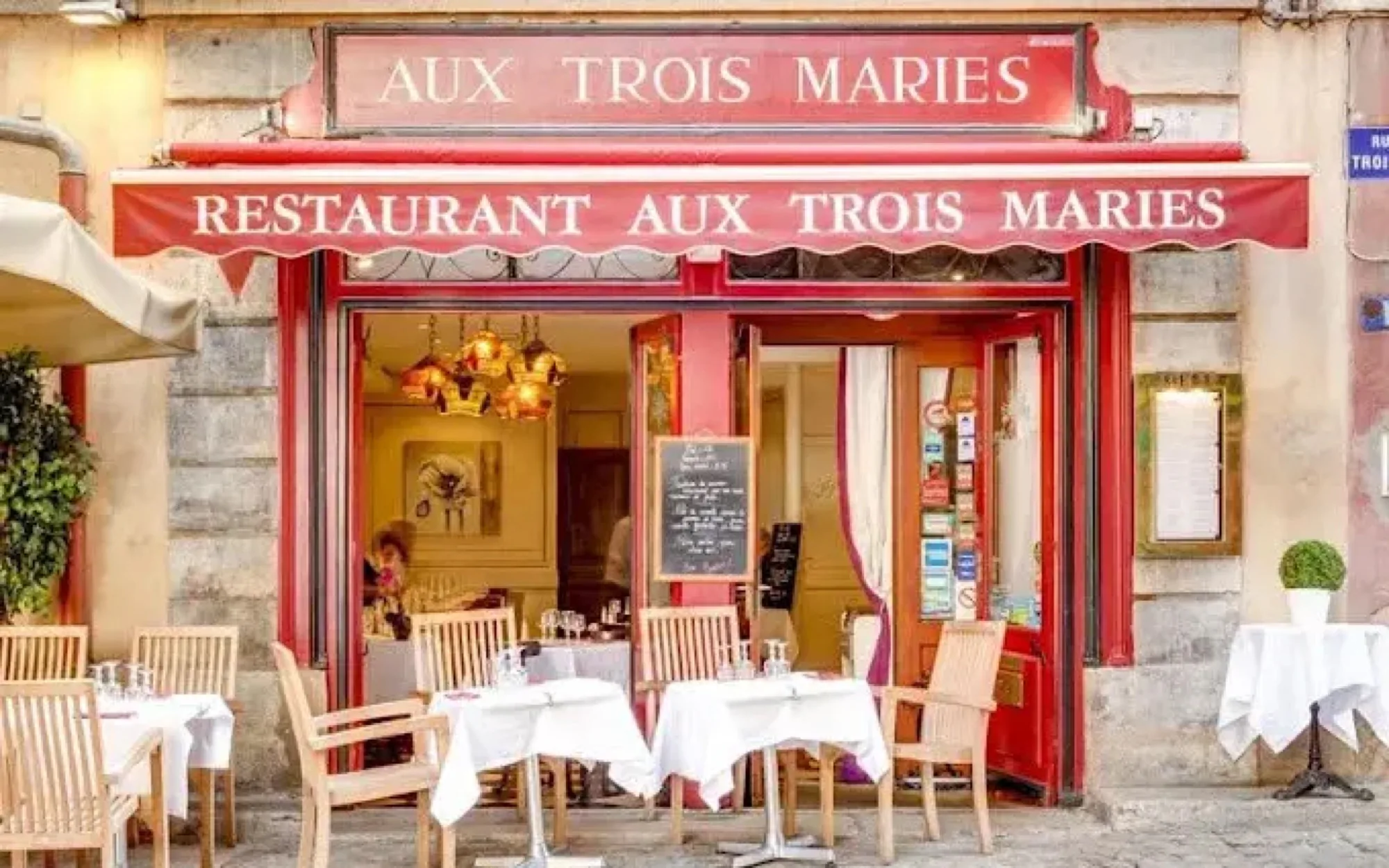
The tablier de sapeur is a Lyonnaise speciality made from tripe — the tenderest part of the beef stomach — slowly marinated, then breadcrumbed and pan-crisped until golden. Its name is said to come from Marshal de Mac Mahon, military governor of Lyon and a former sapper, to whom the breaded, golden piece recalled the leather apron those soldiers wore. It is traditionally served with a tangy gribiche sauce and a green salad. A traditional offal dish, honest and generous, emblematic of the Lyon bouchon, whose spirit and terroir cooking Aux Trois Maries — one of the oldest bouchons in Vieux-Lyon — keeps alive.
Contents
What you'll find on this page
What is tablier de sapeur?
The tablier de sapeur is a Lyonnaise speciality made from tripe — the beef stomach, and more precisely its tenderest part, the honeycomb. Long blanched and cooked, it is then cut into wide pieces, set to marinate, breadcrumbed and pan- or grill-crisped until it takes on the golden crust that gives it all its character.
The marinade is the key to the dish: white wine, mustard, garlic and fine herbs perfume the tripe for several hours, sometimes a whole night. It's what tenderises the piece and gives it that honest flavour, a world away from the idea one has of offal. Beneath the golden crumb hides a soft, almost melting flesh.
It is terroir cooking in its purest form: the kind that draws the best from the humblest cuts, inherited from the canuts' mâchon and the bouchons of old. To taste a well-made tablier de sapeur is to grasp at once what gives the Lyon table its soul — generosity, craft, and the art of wasting nothing.
How is tablier de sapeur made?
Behind its crispness lies a Lyonnaise knack made of patience. Three steps are enough to understand why a good tablier de sapeur cannot be rushed.
The marinade
Once blanched and cooked, the tripe is cut into wide pieces and left to marinate for several hours — white wine, mustard, garlic and fine herbs. It is this patient step that tenderises it and gives it its honest flavour.
The breadcrumb coating
Each piece is then dipped in egg and rolled in breadcrumbs. This is what forms, during cooking, the golden crisp crust that is the dish's signature.
The golden cooking
Pan- or grill-crisped until golden outside and soft within, the tablier de sapeur is served at once, piping hot, escorted by its gribiche sauce.
Where does this curious name come from?
The name intrigues as much as it amuses, and its legend is thoroughly Lyonnaise. It is attributed to Marshal de Mac Mahon, military governor of Lyon in the 19th century and a former officer of the engineers — a sapper, as those soldiers were called. The breaded, golden piece of tripe, wide and flat, is said to have reminded him of the leather apron the engineers wore: the nickname stuck.
Behind the anecdote lies a truth of Lyon cooking: here, offal has never frightened anyone, and the city knew how to raise it to noble rank. Where other regions disdained tripe, Lyon made a feast of it, served with the seriousness reserved elsewhere for the finest cuts.
That taste for the right word and the story well told is part of the bouchon's pleasure. You are not simply served a plate: a memory is passed on, that of a city that has always joined table and conversation. The tablier de sapeur is one of its most flavoursome ambassadors.
A piece of the great Lyon repertoire
The tablier de sapeur never comes alone: it belongs to the great family of offal cooking that makes the bouchon's heart beat. Tripe, andouillette drawn to the string, brioche sausage, pike quenelle — all preparations inherited from a working-class cuisine that made patience and skill its finest ingredients.
It is this repertoire — honest and long worked — that built Lyon's name as a food capital. The tablier de sapeur is one of its proudest symbols: a dish that doesn't cheat, that demands time, and that rewards the curious diner with a flavour found nowhere else but at the table of a true bouchon.
Tablier de sapeur, a classic of the Lyon table
The tablier de sapeur tells the spirit of the bouchon as few dishes can. It is traditionally served golden and crisp, escorted by a tangy gribiche sauce — gherkins, capers, egg and fresh herbs — whose lively acidity answers the richness of the tripe perfectly, and by a green salad that brings freshness.
It belongs to the same family as the great classics we serve on rue des Trois-Maries — brioche sausage, veal andouillette drawn to the string, puffed pike quenelle — in the same spirit: chosen produce, home cooking, unashamed generosity. It is this faithfulness to the bouchon repertoire that gives the house its soul.
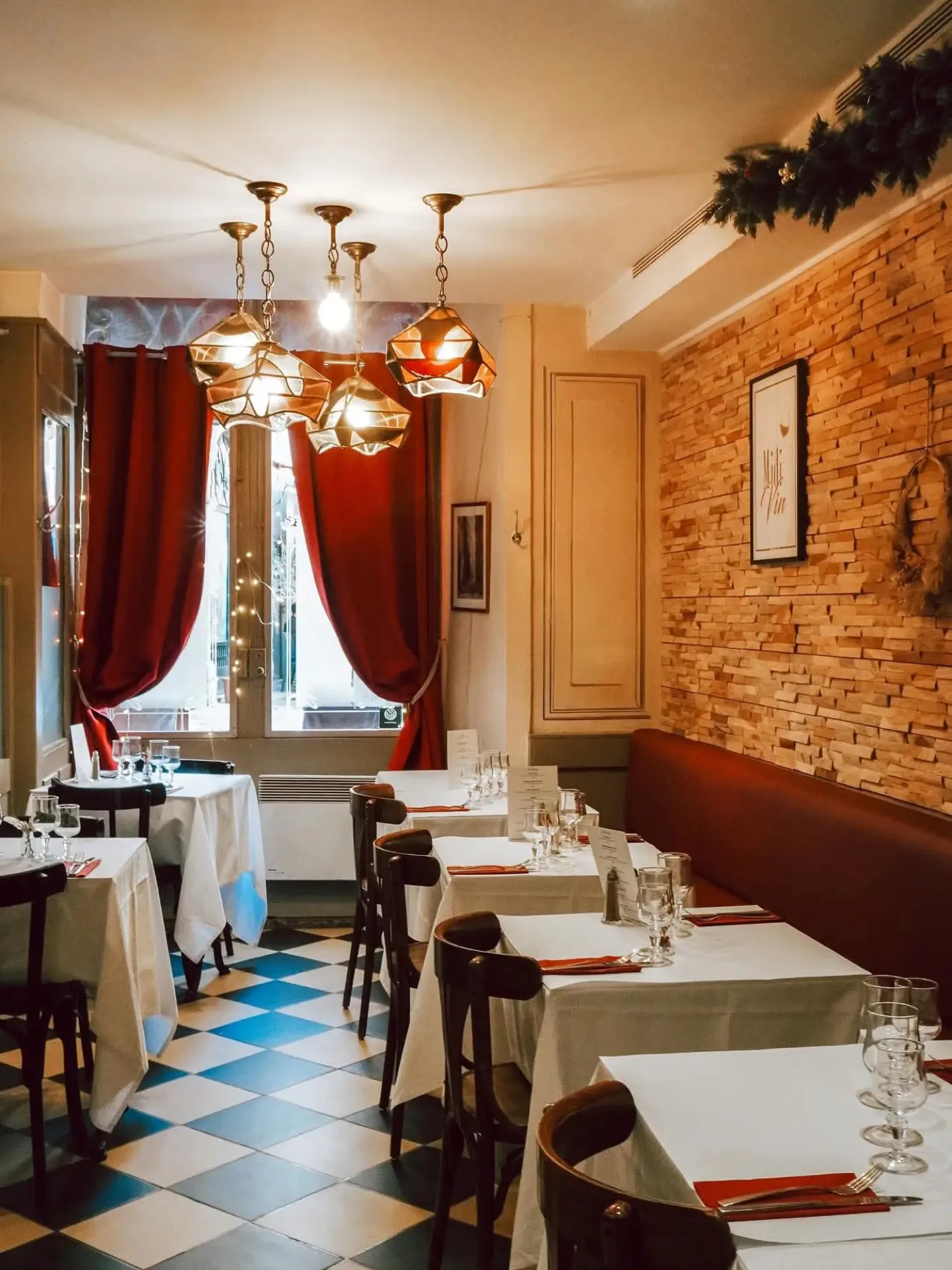
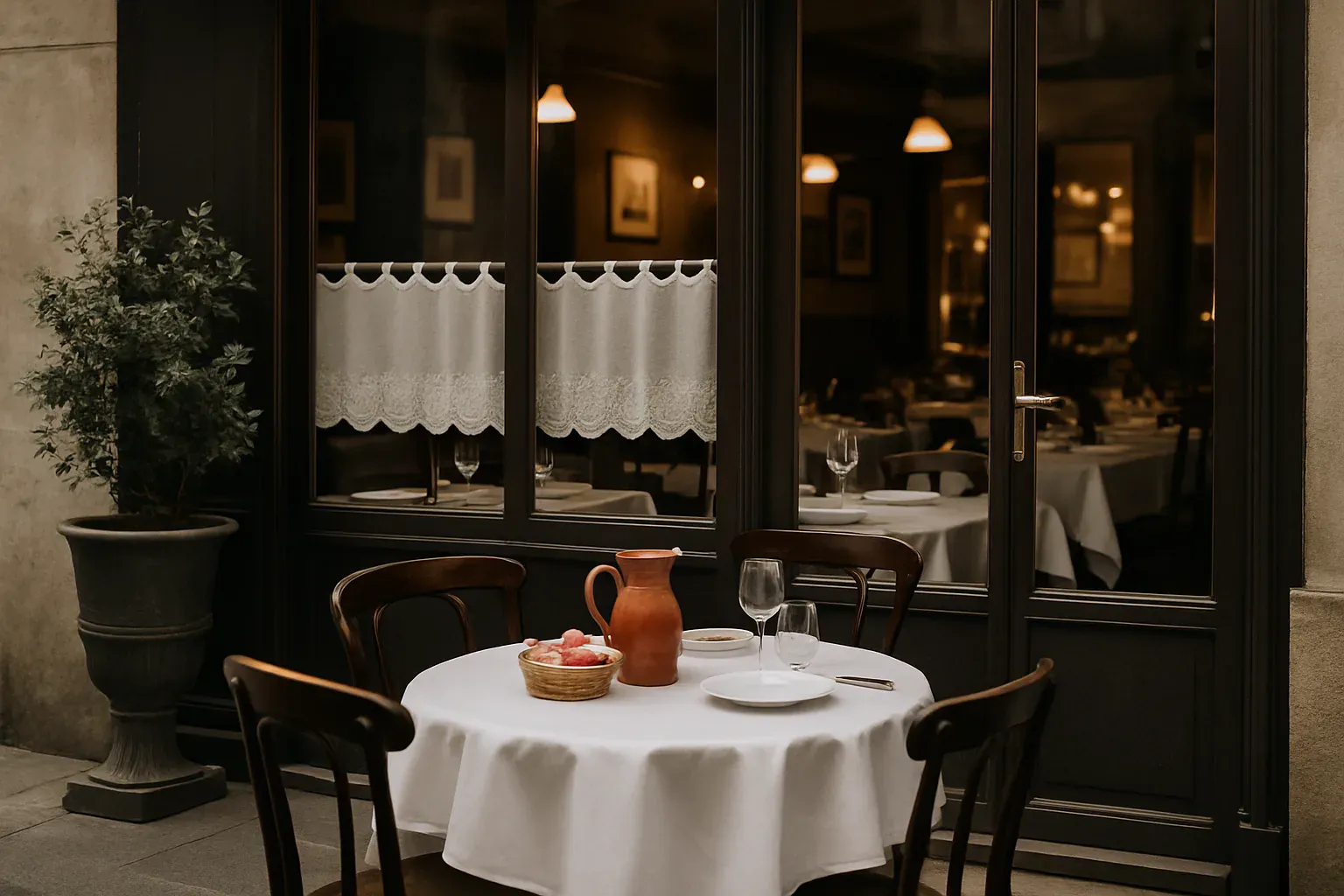
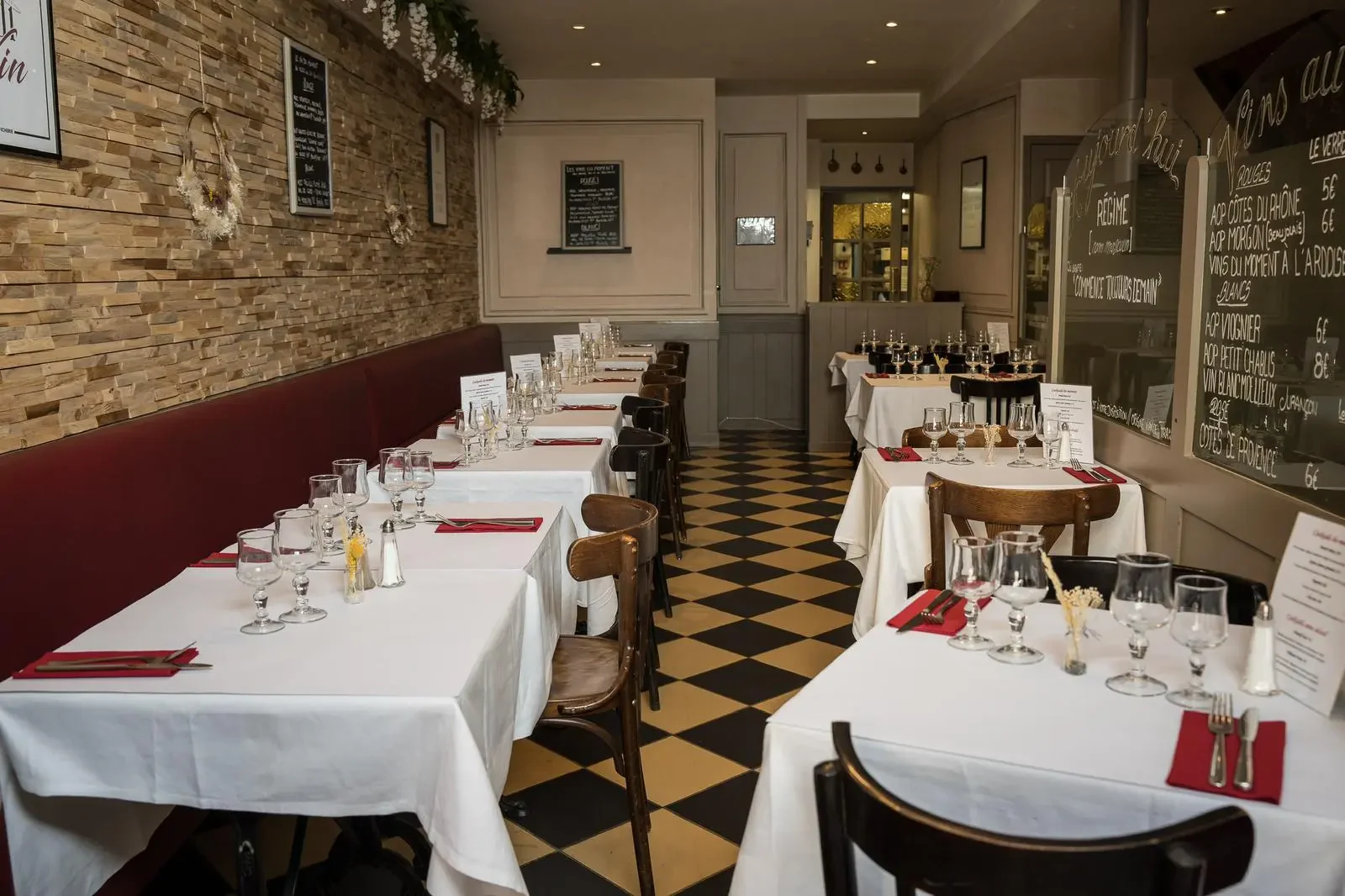
In our rooms with their chequered floor or upstairs beneath the mouldings, terroir cooking is savoured unhurried, a jug of wine on the cloth and the conversation that goes with it. The truest way, in the end, to taste Vieux-Lyon.
How to enjoy your tablier de sapeur
The tablier de sapeur has an assertive character, best savoured when accompanied properly. Three markers to appreciate it fully, whether you're a regular or curious about a first try.
The gribiche sauce
The classic pairing: a cold egg sauce with gherkins, capers and herbs, whose acidity cuts through the richness of the golden crumb. A green salad on the side, and the balance is perfect.
The wine pairing
A local red works wonders — an easy-drinking Beaujolais or a fuller Côtes-du-Rhône. The pot lyonnais shared on the table remains the most convivial way to accompany it.
For a first try
The tablier de sapeur is best tasted with an open mind: the crisp crumb and the tangy sauce make it an honest yet accessible discovery, even for those wary of offal. Our team will gladly guide you.
Where to eat tablier de sapeur in Vieux-Lyon
Vieux-Lyon, a UNESCO-listed Renaissance quarter, is one of the cradles of the Lyon table. On rue des Trois-Maries, steps from place de la Baleine and Saint-Jean cathedral, our house is among the oldest bouchons in the city: just the place to discover Lyon terroir cooking done properly.
We recommend booking, especially at weekends and in high tourist season: the room is convivial but tables go fast. A call is enough and we'll keep your place in the heart of Vieux-Lyon.
Keen to extend your discovery of Lyon cooking? The puffed pike quenelle, the andouillette drawn to the string and our other terroir specialities await on the same menu, in the same spirit of a bouchon true to its roots.
Frequently asked
Tablier de sapeur: your questions
What is tablier de sapeur?
It's a Lyonnaise speciality made from tripe — the tenderest part of the beef stomach — slowly marinated in white wine and herbs, then breadcrumbed and pan-crisped until golden. It is traditionally served with a gribiche sauce and a green salad.
Why is it called 'tablier de sapeur'?
The name is said to come from Marshal de Mac Mahon, military governor of Lyon and a former engineer-sapper: the wide, golden breaded piece of tripe reportedly reminded him of the leather apron those soldiers wore. The nickname stuck and is now part of Lyon's culinary folklore.
How is tablier de sapeur made?
The tripe is blanched then cooked, cut into wide pieces and marinated in white wine, mustard, garlic and herbs. The pieces are then coated in breadcrumbs and pan- or grill-crisped until golden. They are served at once, piping hot, with a gribiche sauce and a green salad.
Is tablier de sapeur made from tripe?
Yes: the tablier de sapeur is prepared from tripe, that is the beef stomach, often the honeycomb part. What sets it apart from plain tripe is the preparation — marinade, breadcrumb coating and golden cooking, which give it its characteristic crisp crust.
What is tablier de sapeur traditionally served with?
Traditionally, it is served golden and crisp, with a tangy gribiche sauce — gherkins, capers, egg and herbs — and a green salad. The sauce's acidity balances the richness of the tripe: a hearty, generous dish, in the purest bouchon tradition.
Does tablier de sapeur have a strong flavour?
Less than you might think. The long marinade and the golden crumb soften the tripe and give it an honest yet accessible flavour. The gribiche sauce brings the freshness that balances the dish. For a first try, our team is glad to advise.
What wine goes with tablier de sapeur?
A local red pairs beautifully: an easy-drinking Beaujolais or a fuller Côtes-du-Rhône. The pot lyonnais shared on the table is the most convivial way to accompany it.
Explore the house
Discover on the site
Read on
Curious about the other bouchon dishes? Find all the Lyon terroir on our Lyon specialities page.
Discover bouchon cooking on rue des Trois-Maries
Book your table online, or call us directly: we welcome you to our Vieux-Lyon bouchon.