The Journal · Travel guide
Weekend in Lyon: what to do in 48 hours, neighbourhood by neighbourhood
A gastronomic capital and a UNESCO city, Lyon is best enjoyed over two days if you link the quarters well. Here's a ready-made itinerary, from Fourvière to Confluence, with meal breaks slotted in at the right time.
In short
In 48 hours in Lyon, the simplest approach is to follow the geography. Day 1: climb Fourvière first for the panorama and Roman theatres, come down for lunch in a Vieux-Lyon bouchon, then explore the Renaissance lanes and traboules in the afternoon. Day 2: cross the Saône to the Presqu'île (Bellecour, Terreaux), climb the Croix-Rousse — the silk weavers' plateau — then finish at Confluence and its contemporary museum. Allow two full days, come in spring or autumn for the light and calm, travel by metro and funicular, and book your tables — especially at weekends.
Contents
What you'll find in this itinerary
Day 1, morning — Fourvière and the view over Lyon
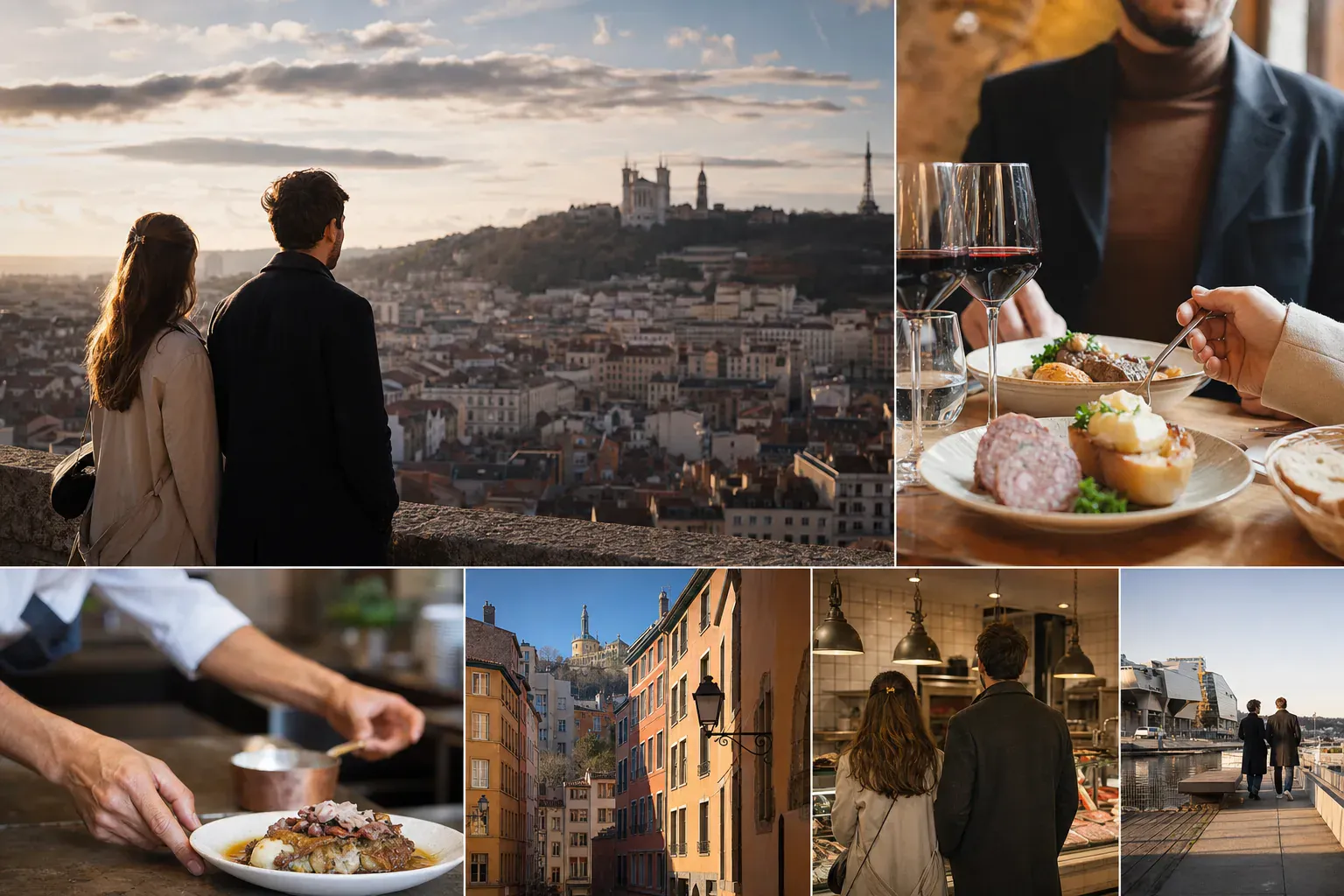
Start your weekend at the top. From Vieux-Lyon station, the funicular lifts you in minutes to Fourvière hill, where Lyon was born. The basilica terrace offers one of the city's finest panoramas: on a clear day, the roofs of Vieux-Lyon, the Presqu'île and even the Alps.
The Notre-Dame de Fourvière basilica dazzles with mosaics and gilding, while the nearby Roman theatres recall that the city was Lugdunum, capital of Roman Gaul — told through the Lugdunum museum. Allow a full hour or two, with good shoes.
By late morning it's time to head down: the funicular or the Rosaire garden steps bring you to the foot of the hill, right where Vieux-Lyon and lunch begin — a good moment to line up a restaurant near Fourvière.
Staying near the hill? Line up a good address for lunch with our restaurant near Fourvière.
Day 1, midday — Lunch in Vieux-Lyon
Down from Fourvière, you reach the heart of Vieux-Lyon, Europe's largest Renaissance quarter and the birthplace of the bouchon. It's the ideal moment to grasp what the Lyonnaise table really is: honest, generous local cooking, served without fuss in rooms with chequered floors.
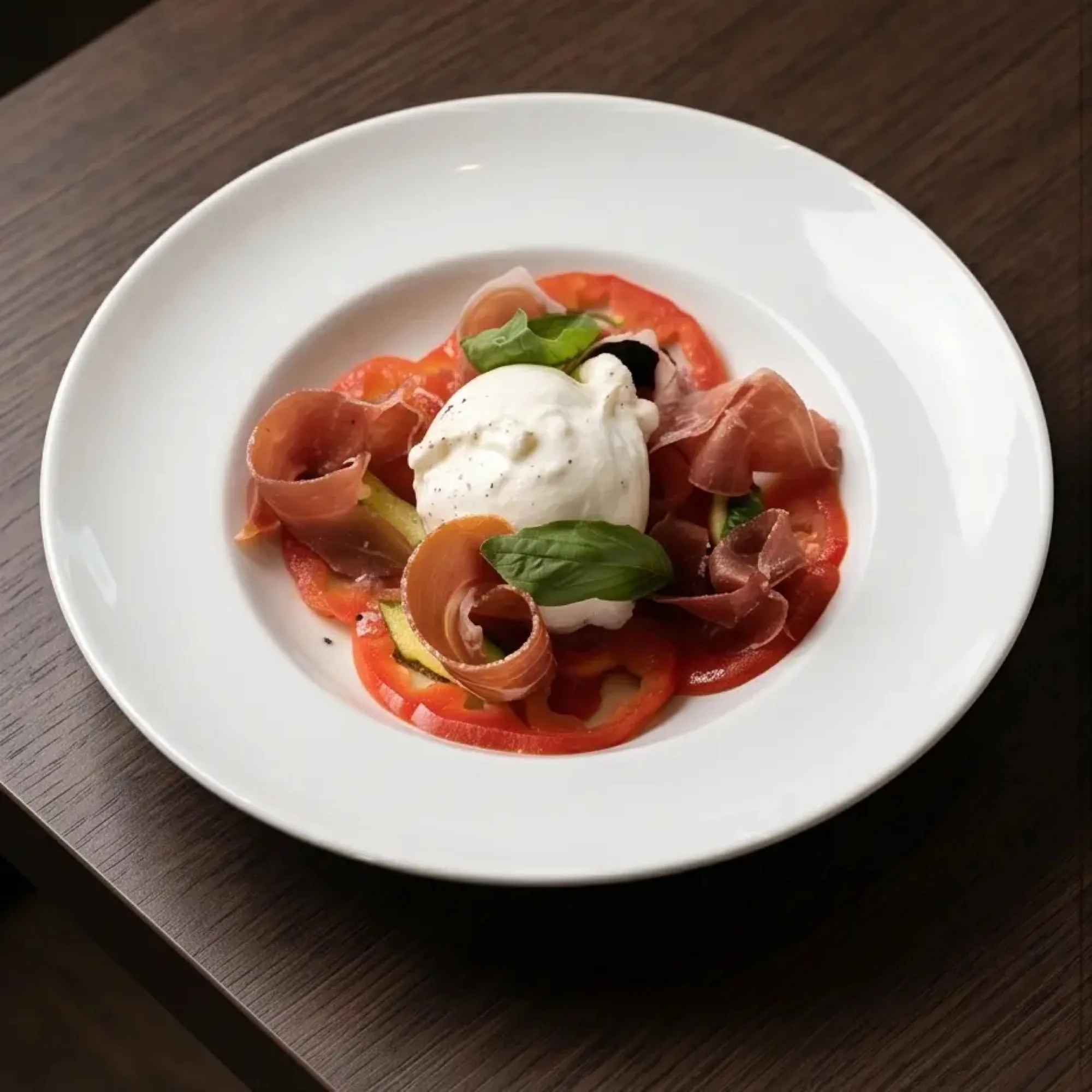
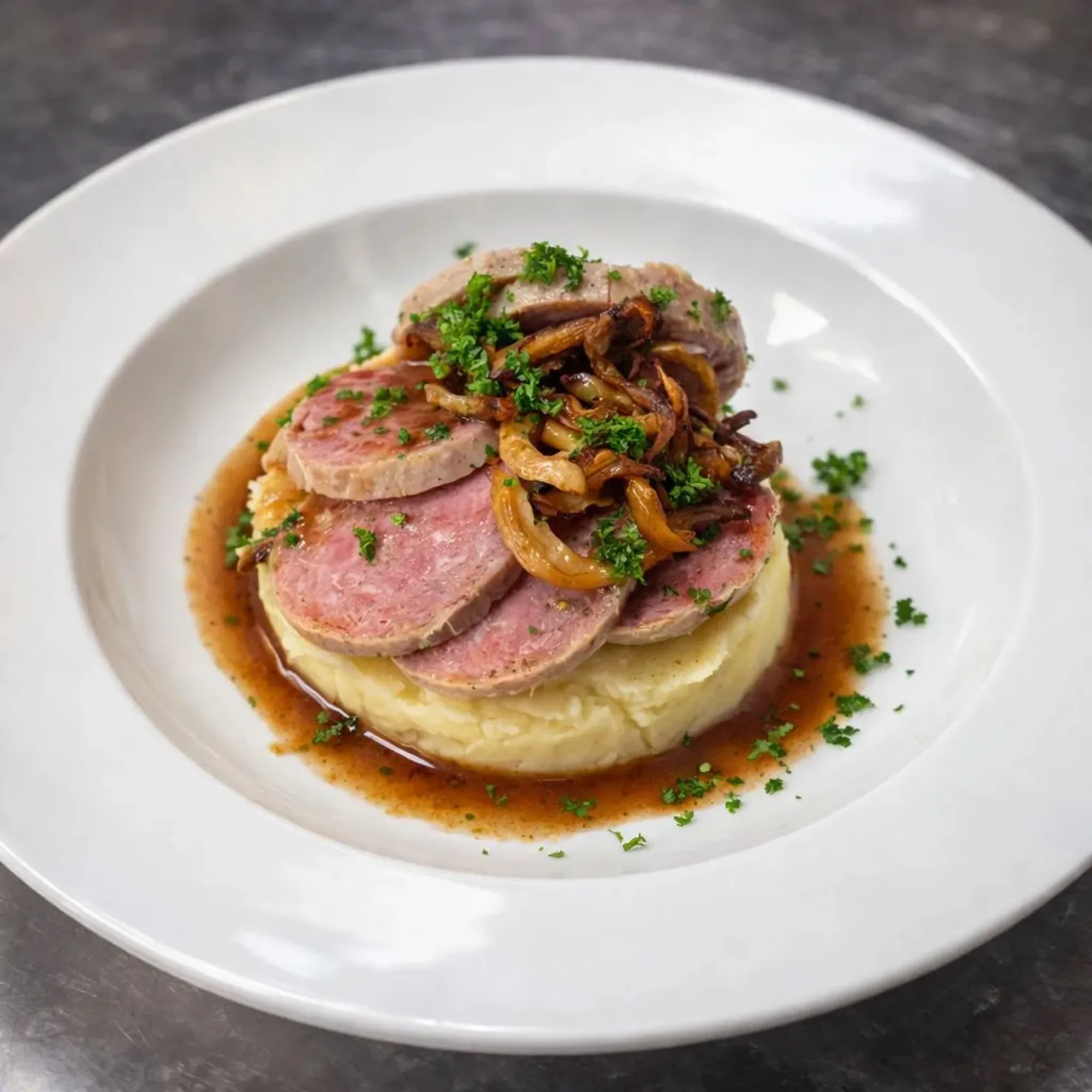
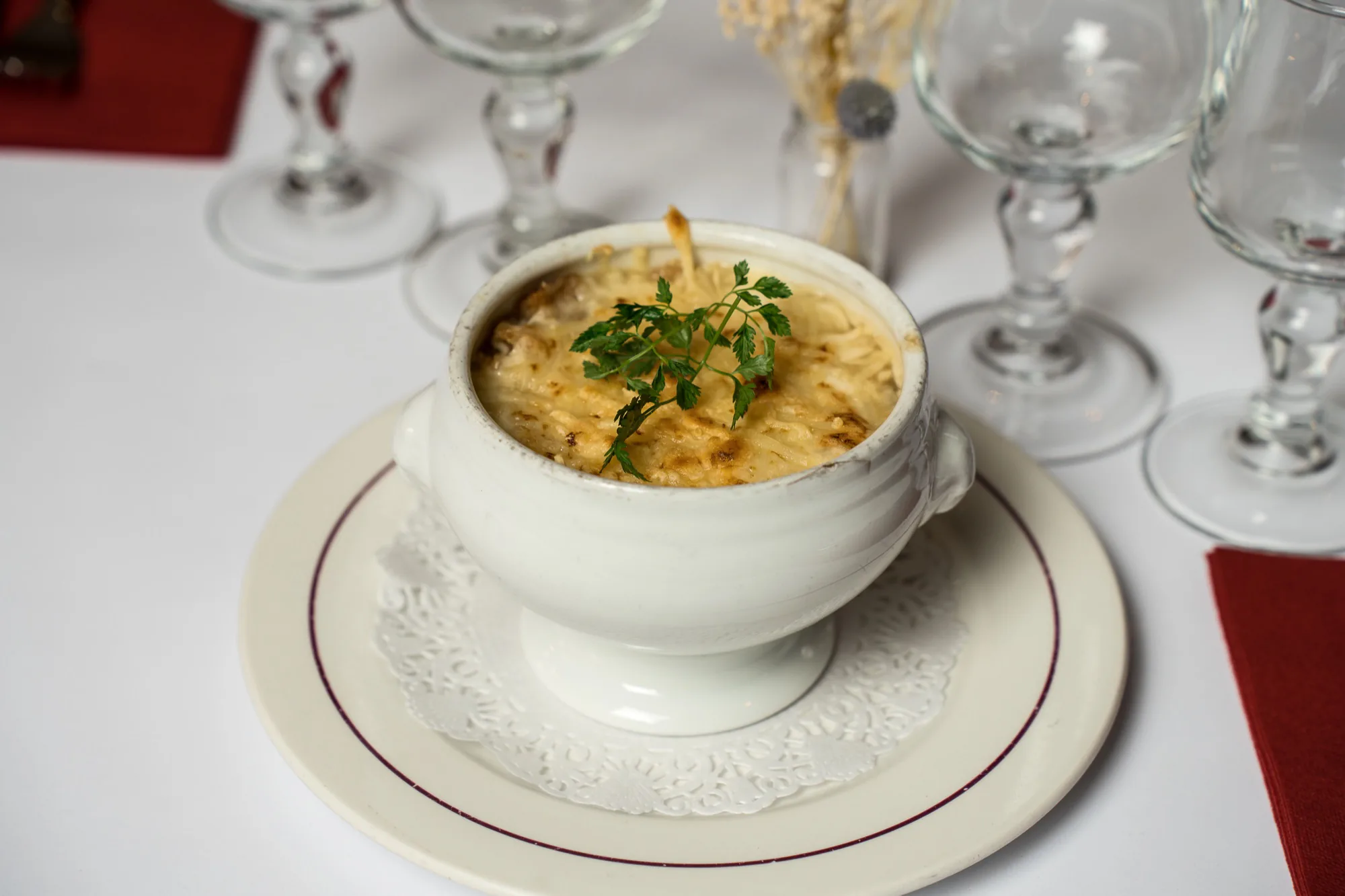
The bouchon is no ordinary restaurant. Lyonnaise salad with poached egg, onion gratinée, puffed pike quenelle, brioche sausage or andouillette drawn to the string: a whole repertoire inherited from the canuts' mâchon. Take time to sit — a real Lyonnaise lunch fuels the whole afternoon.
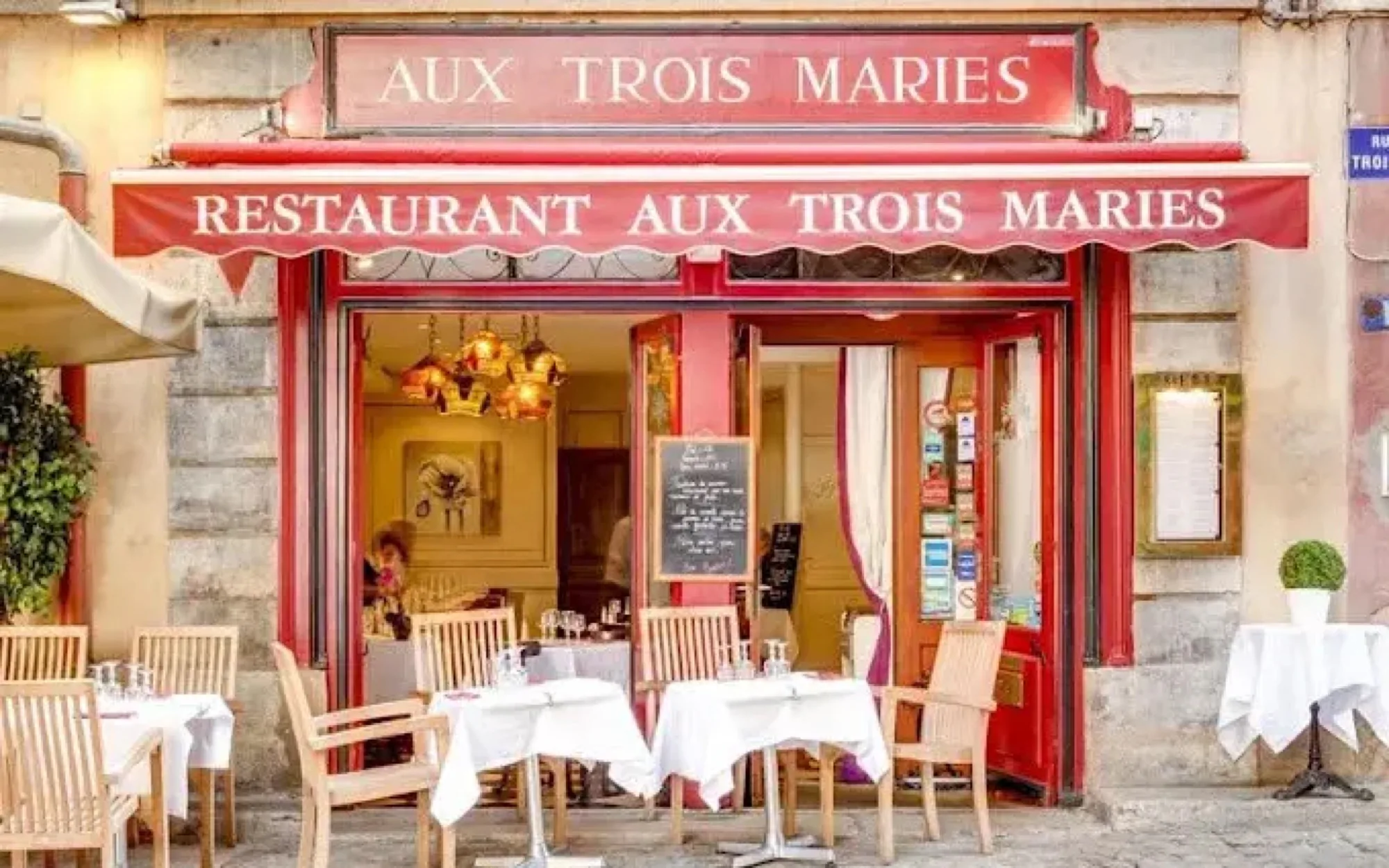
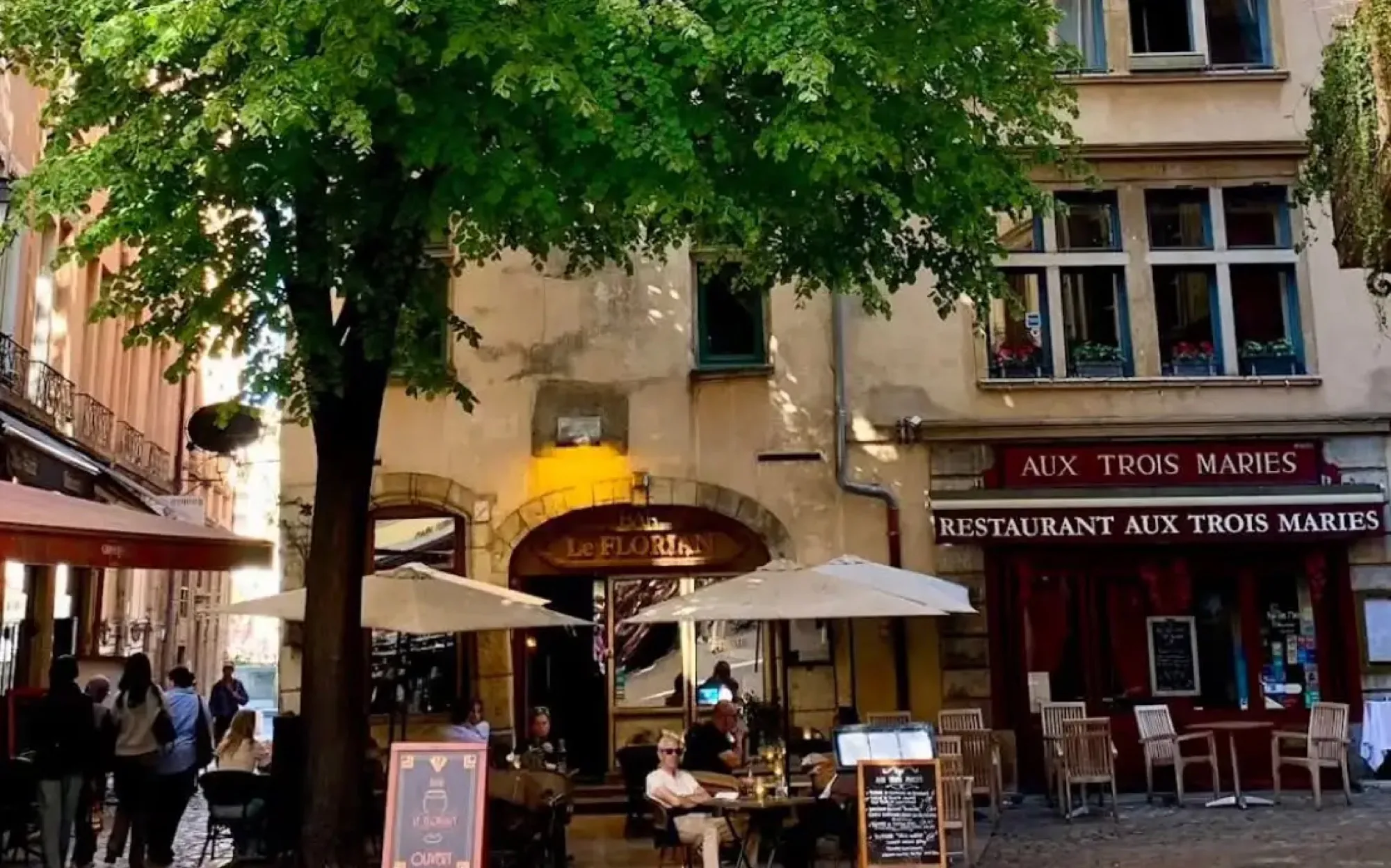
On rue des Trois-Maries, a quiet parallel to rue Saint-Jean, our house has stood since the middle of the last century, steps from the cathedral. It's one of the oldest tables in the quarter, and the natural lunch stop between Fourvière and the lanes.
To choose your midday table in the quarter, discover our restaurant in Vieux-Lyon, steps from the cathedral.
Day 1, afternoon — Renaissance Vieux-Lyon and traboules
The afternoon is on foot. Begin with Saint-Jean cathedral and its 14th-century astronomical clock, one of the oldest in Europe: at set times an automaton stages the Annunciation. Then get pleasantly lost in the cobbled streets, among mullioned façades and Renaissance coats of arms.
The quarter's best-kept secret is the traboule: covered passages cutting through the buildings to link one street to another via private courtyards. Spot them by the small round plaque with a lion's head, open the door gently and keep your voice down — these are homes.
Don't forget to look up at the Tour rose, a Renaissance stair-tower tucked in a courtyard, and to wander place du Change or place de la Baleine. A whole afternoon is not too much to savour the quarter without rushing.
Before you set off, read our guide on how to walk the traboules while respecting the residents.
To go deeper into this stage, read our full guide on what to see in Vieux-Lyon.
Day 2, morning — Presqu'île, Bellecour, Terreaux
On the second day, cross the Saône to the Presqu'île, the strip of land between the two rivers that holds Lyon's grand squares. Start at place Bellecour, one of Europe's largest pedestrian squares, with its equestrian statue of Louis XIV and the view towards Fourvière.
Walk up rue de la République to place des Terreaux and its monumental Bartholdi fountain, between the city hall and the Palais Saint-Pierre — home to the Fine Arts Museum, one of France's richest outside Paris.
The Presqu'île is also the Lyon of cafés, shops and passages: pause on a terrace, detour by the Opera or the redesigned Rhône embankments. It's the city's liveliest quarter, ideal to feel its daily rhythm.
Day 2, midday — Croix-Rousse, the silk weavers' plateau
Climb next to the Croix-Rousse, the 'hill that works' as opposed to Fourvière, the 'hill that prays'. This was the heart of Lyon silk in the 19th century: the canuts, weaver-workers, filled the high-ceilinged buildings built to house their looms. The Maison des Canuts keeps the story alive.
The plateau has kept its village soul: the daily market, small squares and the famous Mur des Canuts, one of Europe's largest painted murals. You wander here at a slower pace, away from the tourist bustle.
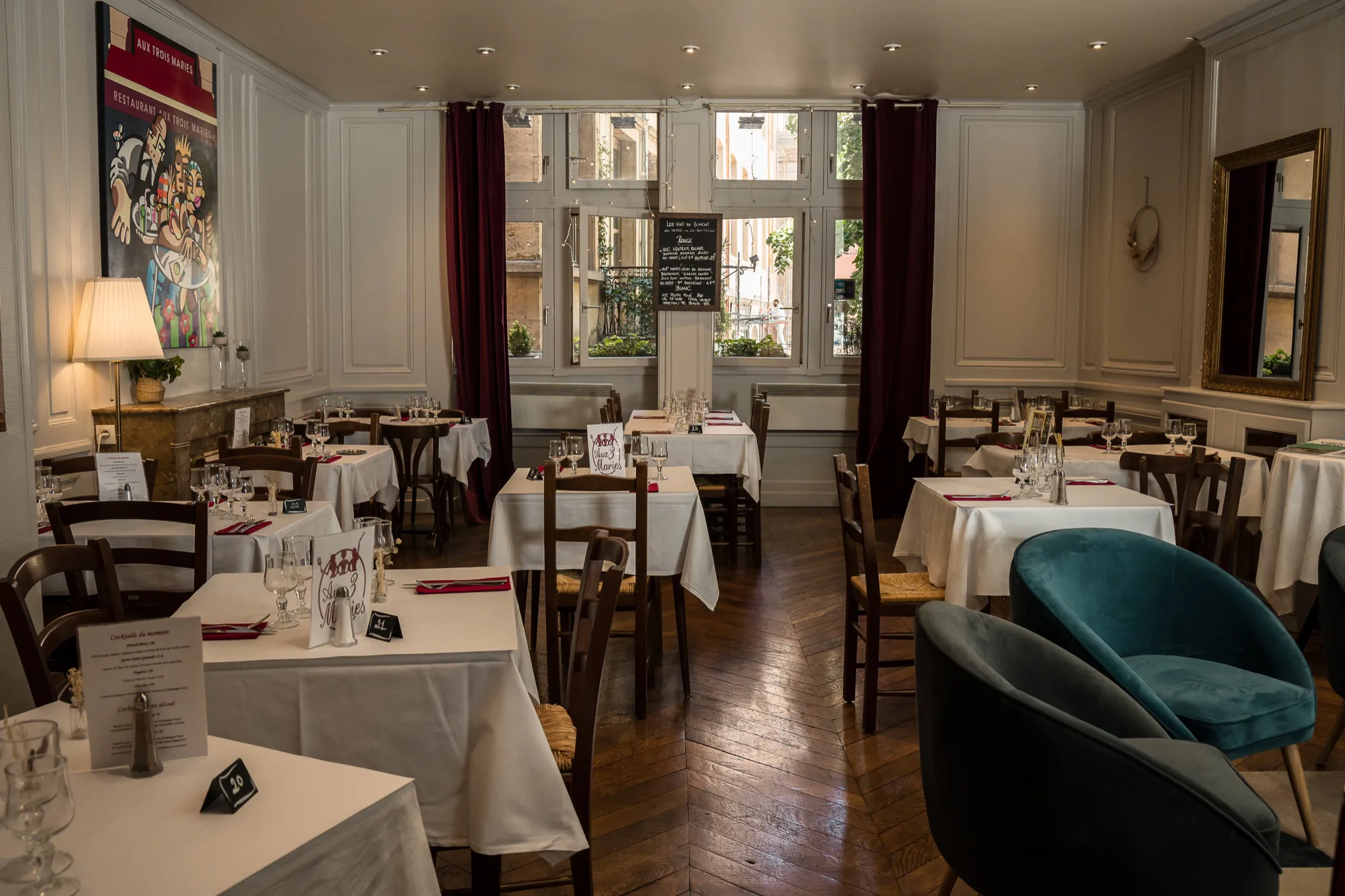
It's also a fine spot for lunch: the quarter has no shortage of good tables, and you can equally head down for a generous Lyonnaise meal — white linen and a slow-cooked dish — before the weekend's final stage.
Day 2, afternoon — Confluence, museum and contemporary architecture
End your stay at the southern tip of the Presqu'île, where the Rhône and Saône meet: the Confluence district. A former industrial and port zone, it has been reinvented as a showcase of contemporary architecture, with colourful cubes and bold shapes.
The highlight is the Musée des Confluences, a glass-and-steel vessel exploring sciences and societies in spectacular architecture. Around it, La Sucrière — a former sugar warehouse turned exhibition space — and riverside promenades extend the walk.
The contrast with Renaissance Vieux-Lyon is striking: in 48 hours you'll have crossed two thousand years of urban history, from Roman Lugdunum to the city of tomorrow.
Food stops at the right moment
A weekend in Lyon is also paced at the table: the city is a gastronomic capital, and the bouchon is its most convivial expression. Here's how to slot the meal breaks into your itinerary without breaking the thread of the visit.
Where to stay and how to get around
To get around, forget the car: Lyon is easily explored by public transport. The metro links the main quarters in minutes, line D serves Vieux-Lyon directly, and the funiculars climb to Fourvière and Saint-Just. Add trams and a vast bike-share network along the riverbanks, and you'll cover the whole itinerary.
For lodging, aim for a central, well-served quarter to limit journeys. Vieux-Lyon and the Presqu'île put most sights within walking distance; the Croix-Rousse offers a quieter village feel, a metro from the centre. Book early for busy weekends, and favour proximity to a metro station.
Frequently asked
Weekend in Lyon: your questions
How many days do you need to visit Lyon?
Two days are enough for a full first taste: Fourvière and Vieux-Lyon on day one, the Presqu'île, Croix-Rousse and Confluence on day two. A third day lets you enter the museums and try other bouchons without rushing.
What must you see on a weekend in Lyon?
The Fourvière basilica and panorama, Saint-Jean cathedral and the traboules of Vieux-Lyon, place Bellecour and place des Terreaux on the Presqu'île, the Croix-Rousse and the Mur des Canuts, and the Musée des Confluences.
How should you organise your route geographically?
Follow the logic of the quarters to avoid backtracking: climb Fourvière in the morning, come down for lunch and Vieux-Lyon, then spend day two on the Presqu'île, Croix-Rousse and Confluence, north to south. The rivers and hills shape the route naturally.
When is the best season for a weekend in Lyon?
Spring and autumn offer the finest light on the golden stone and the gentlest crowds. Summer stirs the terraces but draws crowds, and December brings the Fête des Lumières. On weekdays out of holidays, the city is calmest.
Where should you take meal breaks during the weekend?
In a Vieux-Lyon bouchon, ideally at midday after coming down from Fourvière, and in the evening for a traditional dinner. A generous Lyonnaise lunch fuels the afternoon: book ahead, especially at weekends.
Should you book restaurants in advance?
Yes, it's strongly advised at weekends and in high season: the good tables of Vieux-Lyon fill fast at lunch and dinner. A simple call or an online booking secures a place without waiting.
Explore the house
Also worth reading and visiting
Read on
Planning your stay? Discover our restaurant Lyon in the heart of Vieux-Lyon, the ideal food stop on your itinerary.
Book your food stop on rue des Trois-Maries
Book your table for the lunch or dinner of your weekend, or call us directly.