
The Journal · Lyon heritage
What is a Lyonnaise mâchon? The ritual at the heart of the bouchon
A hearty morning snack of the Croix-Rousse silk weavers, taken at dawn between two shifts at the loom: the mâchon is the bouchon's gourmet ancestor. Origin, ritual, dishes and spirit of a living tradition.
In short
The Lyonnaise mâchon is a hearty, convivial morning snack inherited from the canuts — the silk weavers of the Croix-Rousse — who ate it very early, between shifts at the loom. It features charcuterie, Lyonnaise 'saladiers' and cheeses, often with a pot of beaujolais. More than a meal, it is a ritual of sharing and generosity. That spirit — terroir produce, a tight table, a warm welcome — gave birth to the bouchon and lives on today, from Vieux-Lyon to rue des Trois-Maries.
Contents
What this article covers
What exactly is a Lyonnaise mâchon?
The mâchon is a morning snack: a hearty, honest, convivial meal taken very early in the day — nothing like a sweet breakfast. It was a real spread of charcuterie, saucy dishes, cheese and wine, meant to sustain those who had started work long before dawn.
Its roots are working-class and thoroughly Lyonnaise. The canuts, the silk weavers of the Croix-Rousse, made it an institution: up at dawn and bent over their looms, they needed a solid mid-morning break to keep going.
Over time the word broadened. Today 'faire un mâchon' means a moment of gourmet conviviality around Lyonnaise specialities. The spirit is unchanged: a mâchon is about eating together, not eating fast.
From canuts to bouchons: where the mâchon comes from
To understand the mâchon, go back to Lyon's silk trade. In the 19th century the Croix-Rousse was 'the working hill', with thousands of canuts at their Jacquard looms from dawn to dusk, needing a warm break mid-morning.
The small rooms that fed them — often run by skilled cooks who made the most of humble produce — are the direct ancestors of the bouchons: charcuterie, offal, seasonal saladiers, fresh cheeses.
The word 'mâchon' tells the story of the gesture; 'bouchon' tells that of the place. For the full lineage, the history of the Lyonnaise bouchons deserves its own chapter, told elsewhere in the Journal.
How does a mâchon unfold, and at what time?
The traditional mâchon was taken early: between dawn and mid-morning. Not an early lunch, but a real meal slotted into a workday already begun — that offbeat hour is part of its charm.
The pace, though, is unhurried: a shared charcuterie board, a saucy dish, a cheese to finish. The mâchon is as much about conversation as appetite.
Few now eat a mâchon at seven in the morning. The tradition has shifted toward a savoury brunch or a generous lunch among friends — but the promise of generosity, sharing and terroir remains.
What do you eat at a mâchon?
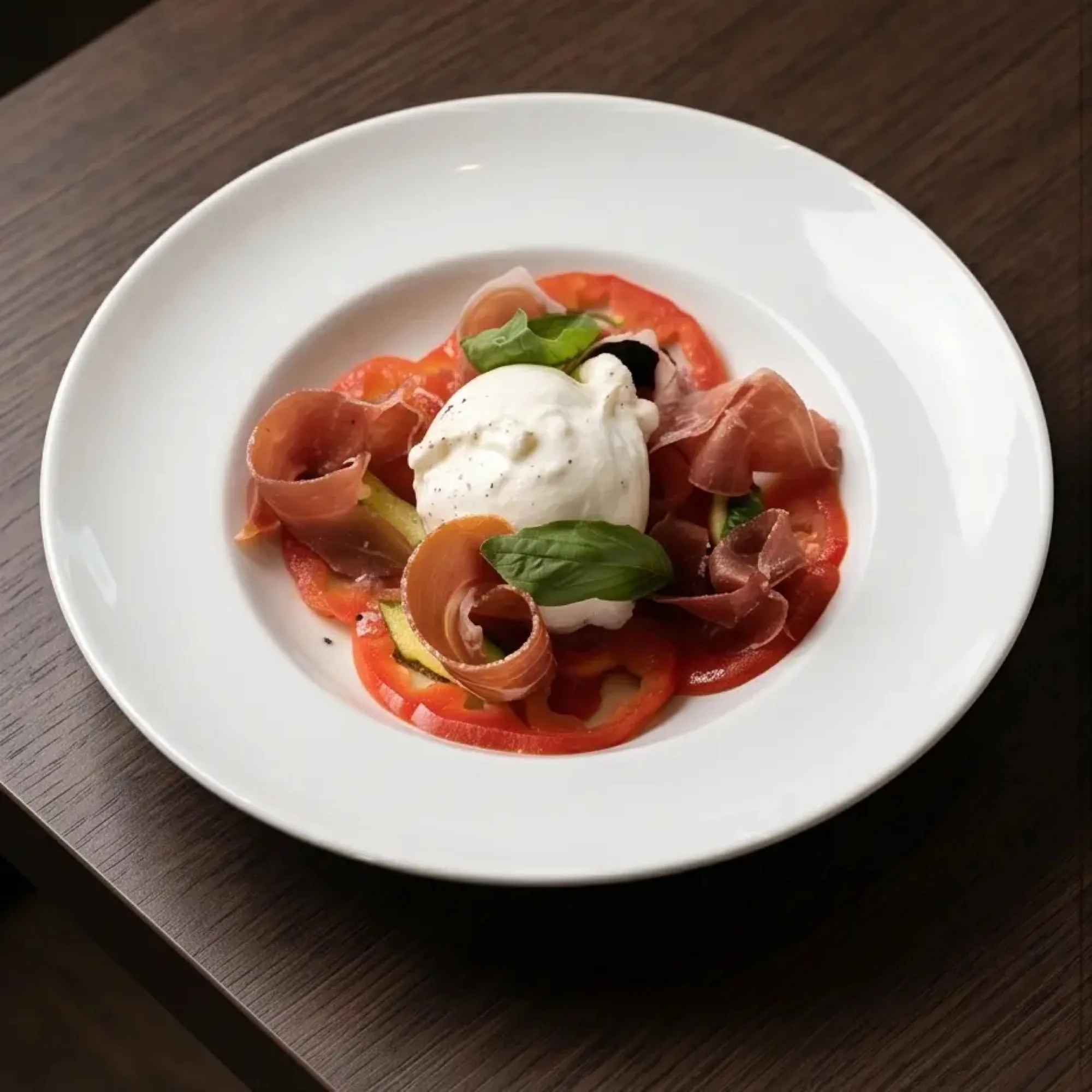
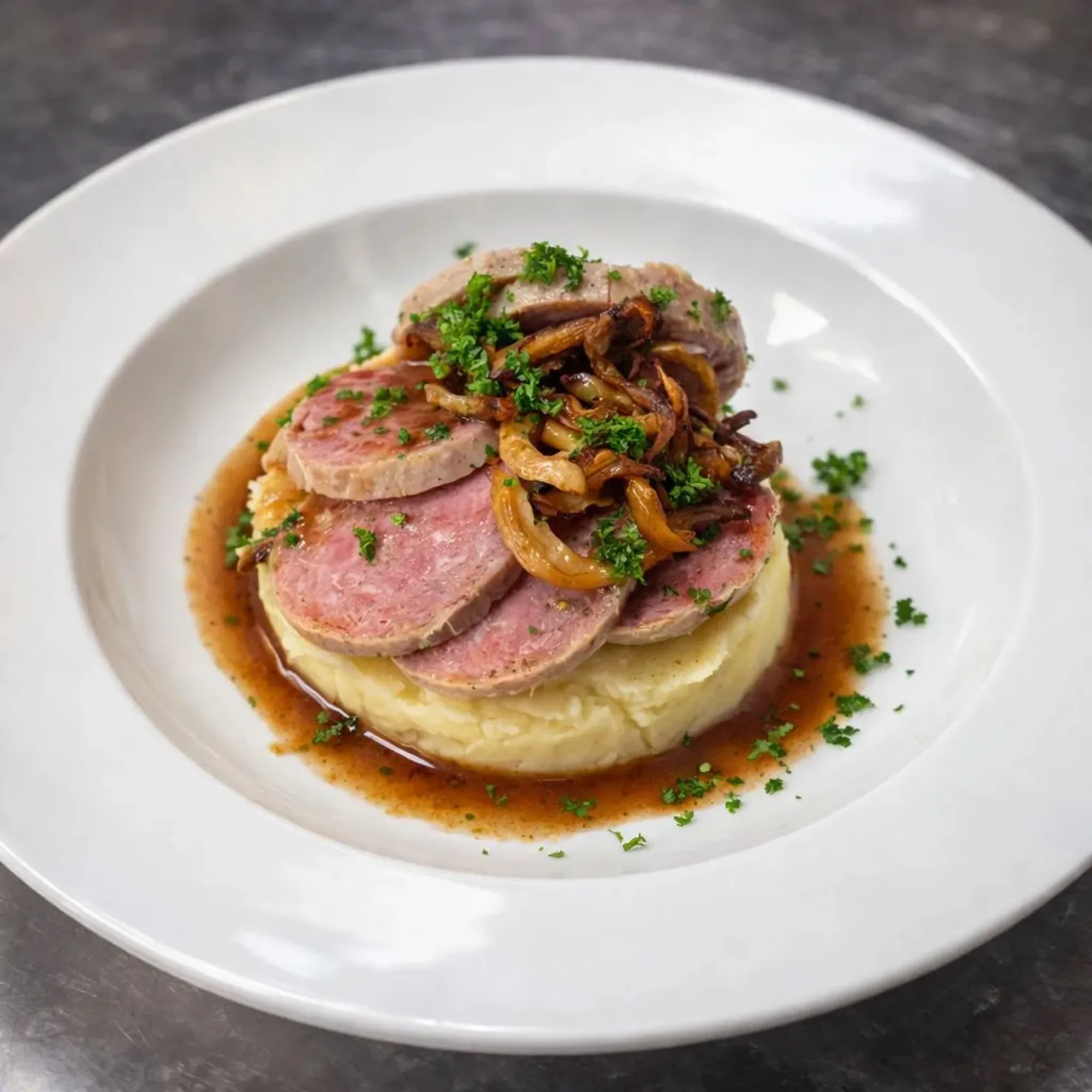
The mâchon celebrates simple, generous Lyonnaise produce: three families of dishes, made to be shared and to fill you lastingly.
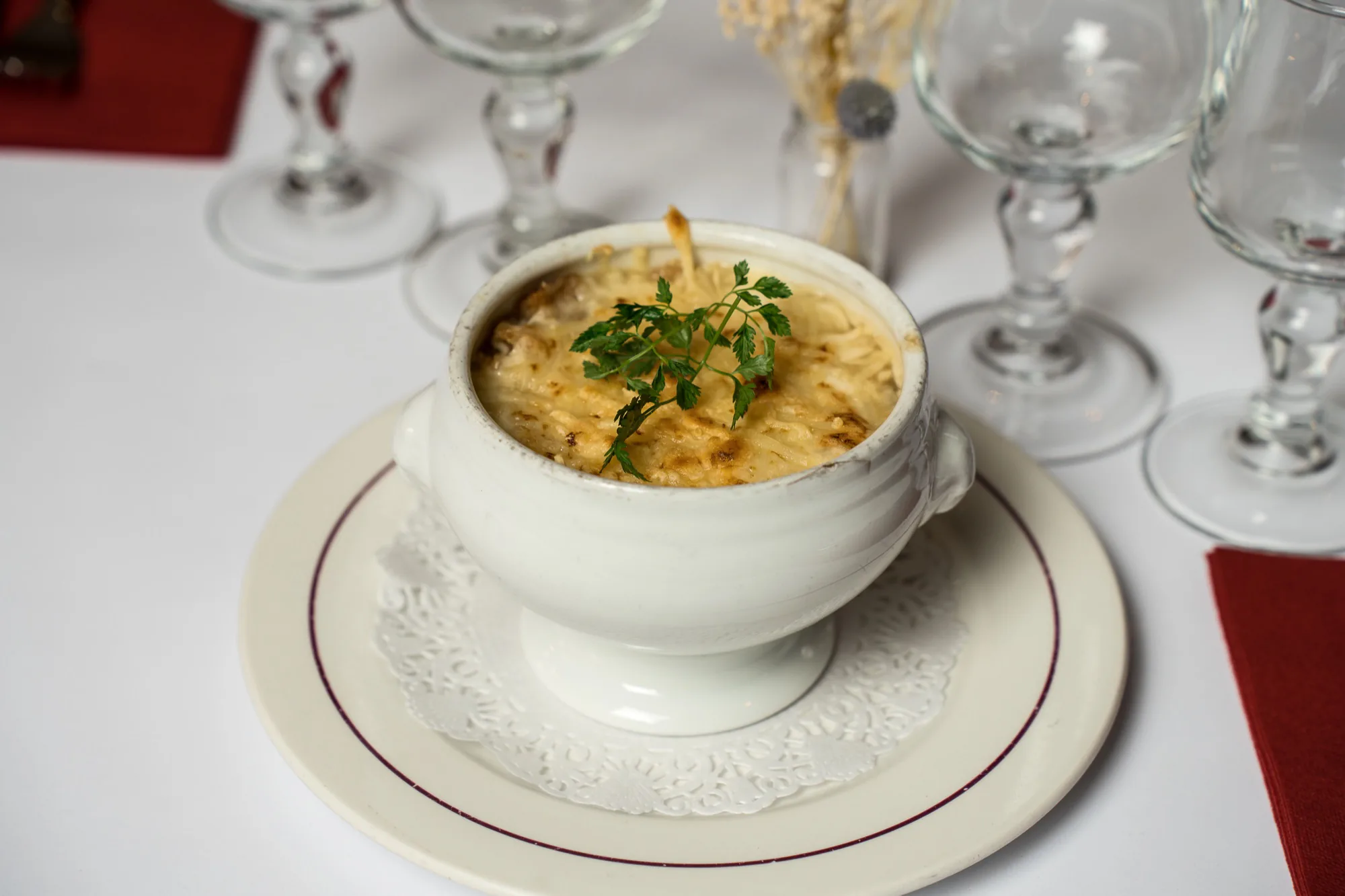
The pot lyonnais, the glass of conviviality
A mâchon is barely conceivable without its pot lyonnais: a thick 46 cl bottle with a reinforced base, holding the house wine — usually a beaujolais. Its format says it all: you share, you pour again, you take your time.
More than a drink, the pot is an object of sociability, passed around the table. It stands for convivial moderation, not excess — the mâchon is enjoyed with measure.
This is why the mâchon has always been tied to the vineyards around Lyon, the beaujolais above all: light, easy, made for the everyday table.
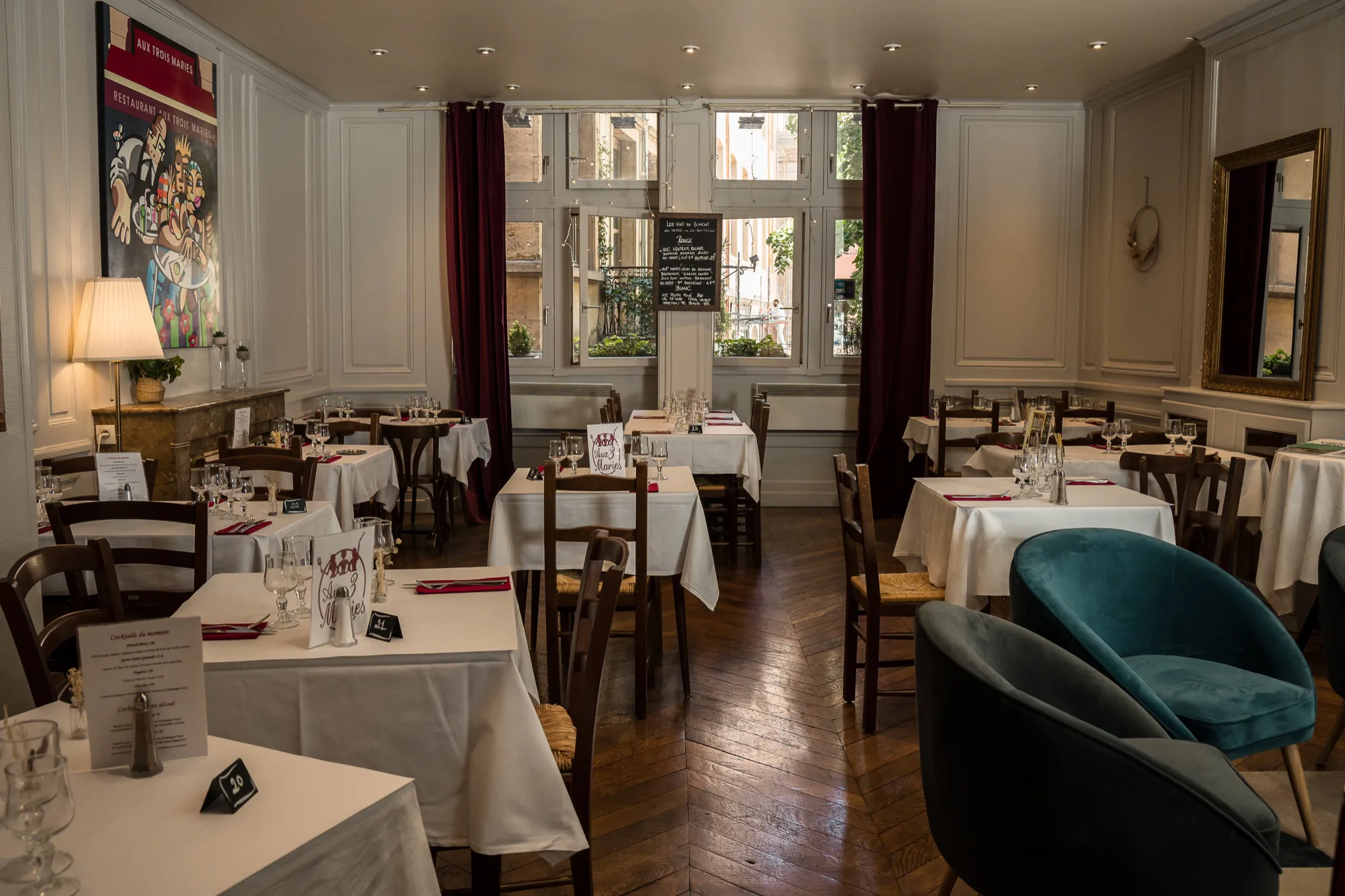
Mâchon, mâchon des mères, mâchon associatif: today's nuances
The word covers several realities. There is the legacy of the Lyonnaise mères, whose home cooking gave the city's table its nobility — the 'mâchon des mères'.
There is a living associative tradition too: confréries and clubs keep the morning ritual alive with weekend gatherings around specialities and beaujolais.
And in everyday speech, 'faire un mâchon' has come to mean any hearty, joyful meal among friends around Lyonnaise cuisine — a tradition that has softened without being lost.
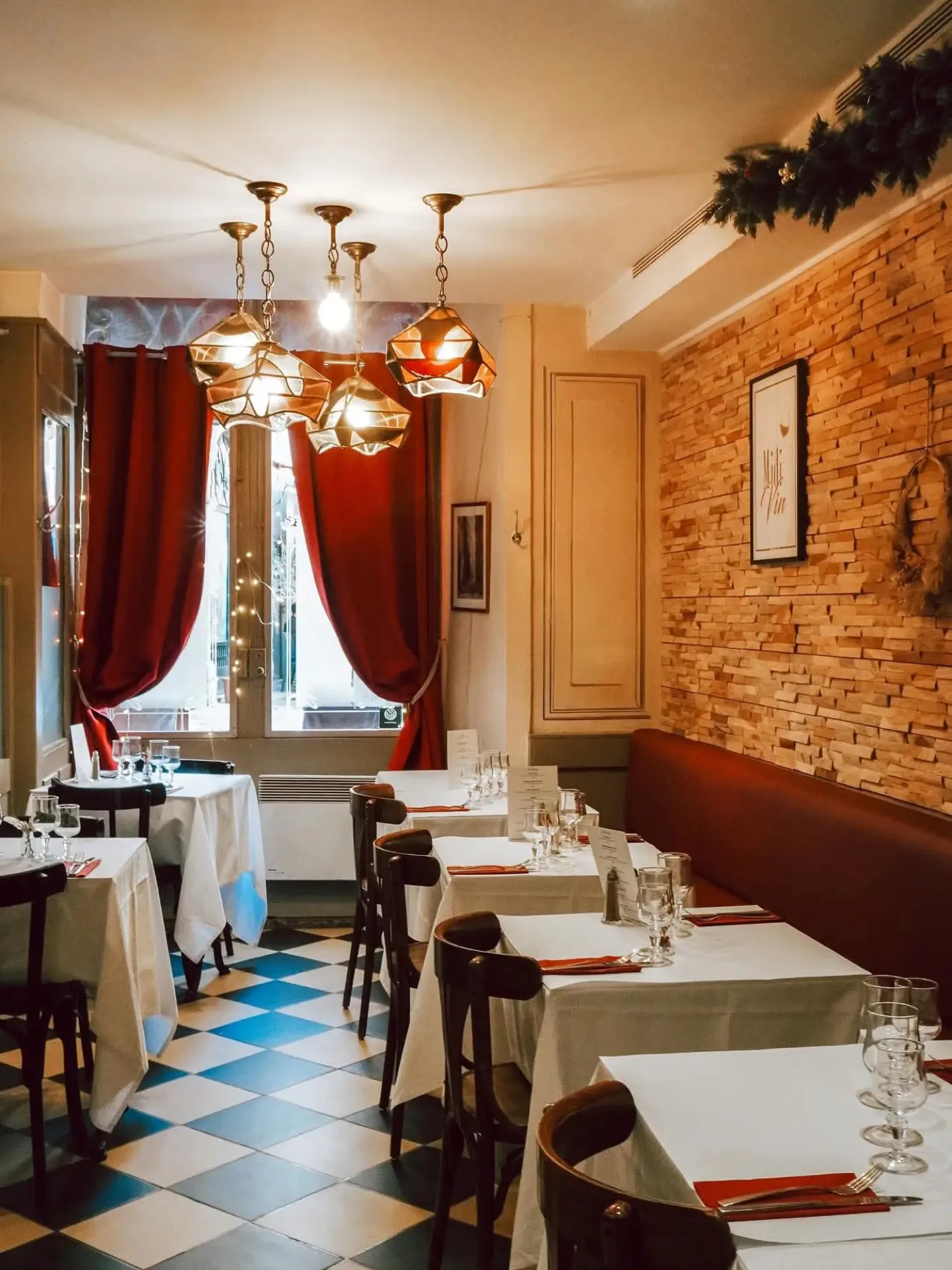
Mâchon and bouchon: what's the link?
The link is that of source to river. The mâchon is the gesture — a generous, shared, terroir-rooted workers' meal. The bouchon is the place that took it in and made it last.
You read that heritage everywhere: the tight elbow-to-elbow table, the short seasonal menu, the local produce, the welcome on first-name terms.
The best way to live the mâchon's spirit today is to step into an authentic Lyonnaise bouchon — one that kept the generosity and sharing, without the folklore of tourist traps.
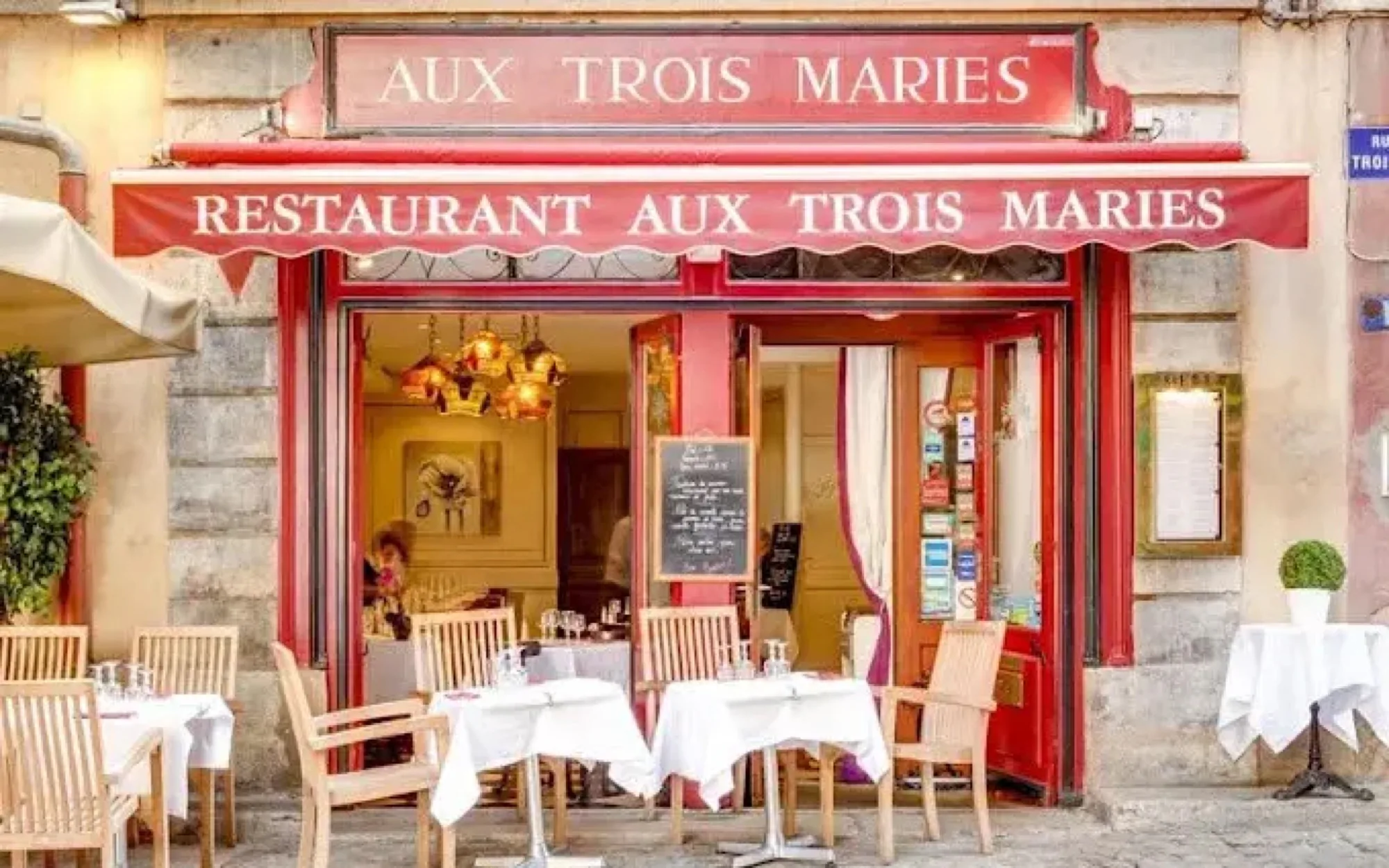
Living the spirit of the mâchon in Vieux-Lyon
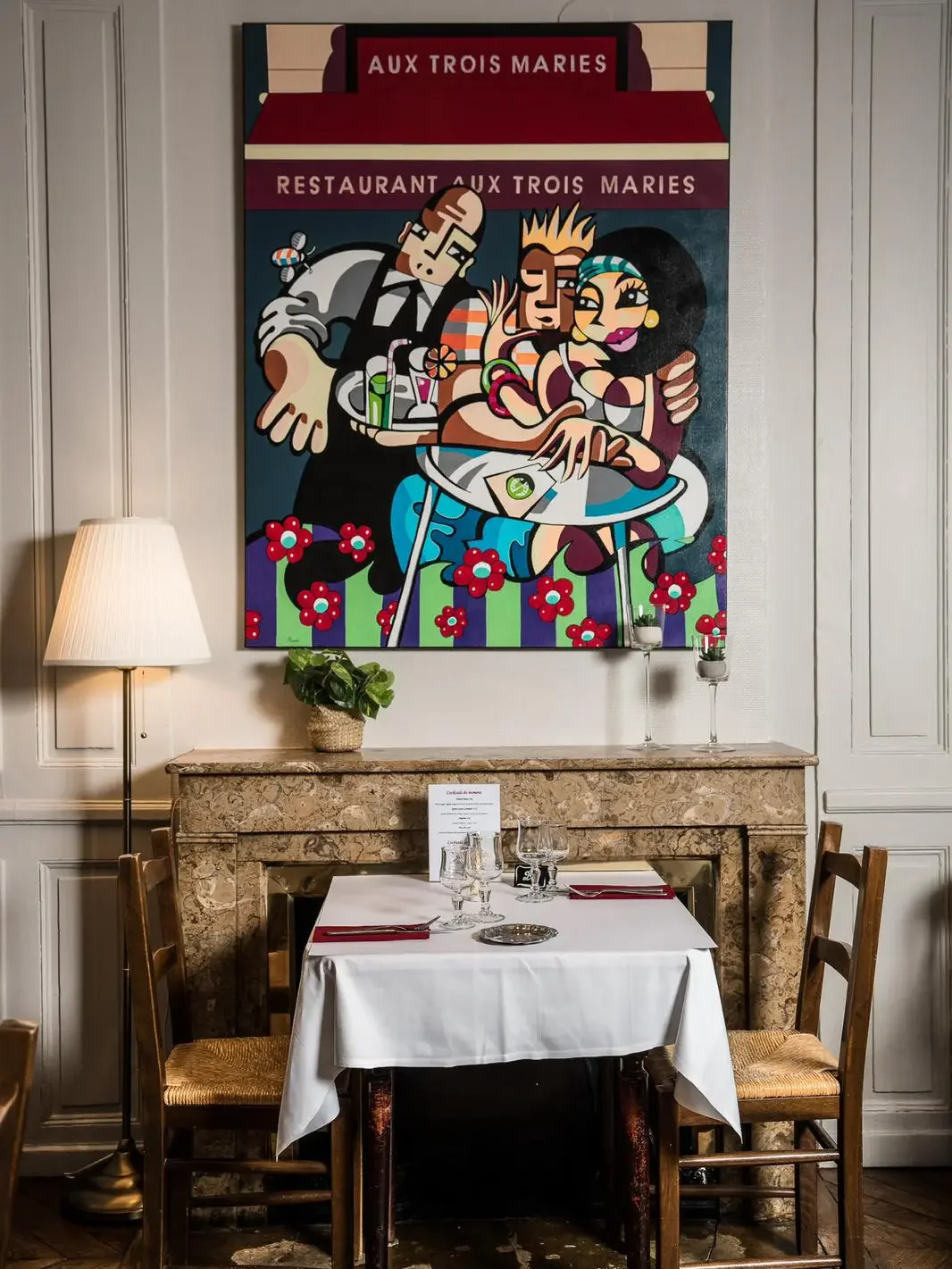
In the heart of Vieux-Lyon, on rue des Trois-Maries near place de la Baleine and Saint-Jean cathedral, Aux Trois Maries has kept this spirit alive since the middle of the last century — one of the quarter's oldest tables.
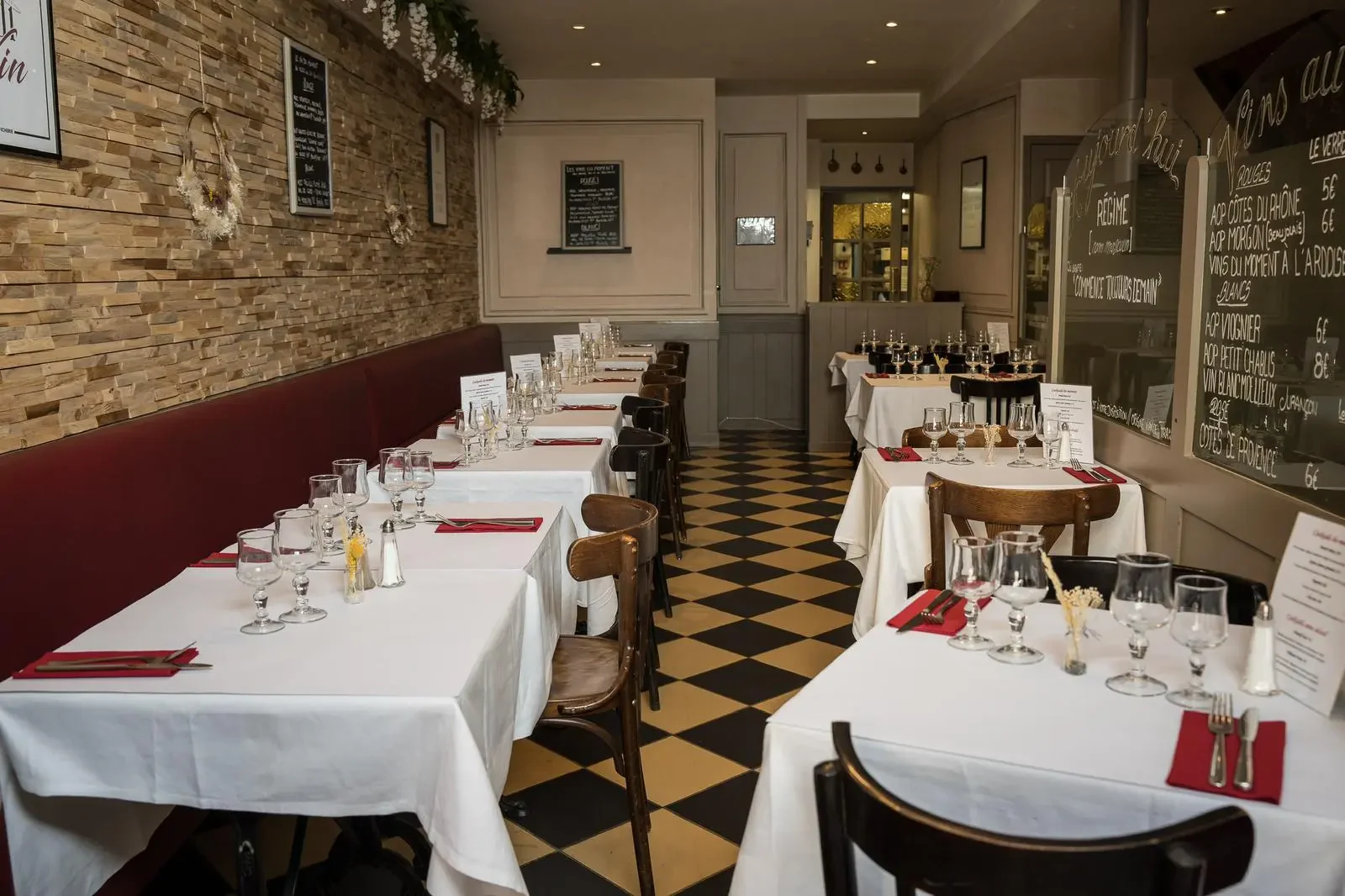
Here you find all the mâchon's generosity: cochonnailles and affineur charcuterie, Lyonnaise specialities, cervelle de canut, terroir cheeses. Two dining rooms and, in fine weather, the terrace under the lime tree.
To make a mâchon is to take the time of the Lyon table — and it awaits you, served as it should be, on rue des Trois-Maries.
Frequently asked
The Lyonnaise mâchon: your questions
At what time do you have a mâchon?
Traditionally very early: between dawn and mid-morning. The mâchon was the canuts' solid break, slotted into a workday begun before daybreak. Today the tradition has shifted toward a savoury brunch or a generous lunch, but the morning, convivial spirit remains.
What's the difference between a mâchon and a brunch?
Brunch is a sweet-and-savoury Anglo-Saxon meal taken late morning at the weekend. The mâchon is firmly savoury and working-class: charcuterie, saladiers lyonnais, cheese and house wine. Where brunch is light and cosmopolitan, the mâchon is hearty and rooted in Lyon's world of work.
Where does the word 'mâchon' come from?
It derives from the verb 'mâcher' (to chew): the mâchon is literally the moment you eat to regain strength. It named the canuts' snack break in the Croix-Rousse, and by extension any hearty, convivial meal around Lyonnaise specialities.
What do you eat at a mâchon?
Three families: cochonnailles (rosette, jésus, sausage, grattons, terrine), saladiers lyonnais (lentils, museau, calf's feet, herring) and cheeses, from Saint-Marcellin to cervelle de canut — all shared, often with a pot of beaujolais.
Are mâchon and bouchon the same thing?
No, but one comes from the other. The mâchon is the meal — the canuts' morning snack. The bouchon is the place that took in the tradition and made it last. The mâchon's spirit — generosity, sharing, terroir — is precisely what gives the bouchon its soul.
Can you still have a mâchon in Lyon today?
Yes, the tradition is very much alive. Associations and confréries hold morning mâchons, and above all the bouchons of Vieux-Lyon keep the spirit daily. At Aux Trois Maries, on rue des Trois-Maries, the generosity and conviviality of the mâchon are felt at every service.
Explore the house
Also worth reading and visiting
Read on
The mâchon's spirit — generosity, sharing, terroir — lives on today in every real bouchon lyonnais authentique of Vieux-Lyon.
Come and live the tradition at the table, rue des Trois-Maries
Book your table, or call us directly.